Ghent, Belgium: The Top 10 Things to Do in the Medieval City
A castle, a world-famous altarpiece, 366 belfry steps and more than 500 beers — the top 10 things to do in Ghent, prices verified.
GeoParallaxFilmed & written on locationGhent: Top 10 MUST-SEE Attractions & Essential Travel Tips
Ghent's top 10 — the Graslei and Korenlei quays at sunset, Gravensteen Castle, the Ghent Altarpiece, the Belfry's 366 steps, boat tours on the Leie and the food the city is famous for. Filmed on location in Belgium.
Ghent packs a 12th-century castle you can climb through, the Van Eycks’ Ghent Altarpiece, a UNESCO belfry with 366 steps, medieval quays built for sunset and boat tours on the Leie into a centre that walks end to end in fifteen minutes. After filming the city for GeoParallax, we’ve gathered the top 10 things to do in Ghent, Belgium — with verified fees, hours and the free ones marked.
Below: what the attractions cost (verified), how far Ghent is from Brussels, Bruges and Amsterdam, how long to stay — then the top 10 from our film, one by one.
Table of Contents
- What do Ghent’s attractions cost? (2026 prices, verified)
- How far is Ghent from Brussels, Bruges & Amsterdam?
- What to see in Ghent: the main sights
- What to do in Ghent in one day
- How many days do you need in Ghent?
- When is the best time to visit Ghent?
- Getting around Gent like a local
- 1. Graslei and Korenlei Quays
- 2. Gravensteen Castle (Castle of the Counts)
- 3. Saint Bavo’s Cathedral & the Ghent Altarpiece
- 4. The Belfry of Ghent
- 5. Saint Michael’s Church & Bridge
- 6. Ghent Boat Tours
- 7. Exploring Ghent on Foot
- 8. Ghent University Botanical Garden
- 9. Ghent’s Culinary Scene
- 10. Ghent’s Museum Scene
- Frequently Asked Questions
- Useful Links & Resources
- Our Photography Portfolio
What do Ghent’s attractions cost? (2026 prices, verified)
Ghent is refreshingly transparent once you have the numbers in one place. Entry to the headline sights runs €11 to €17 — Gravensteen €15, the Belfry €13, the Mystic Lamb €12.50 (€16 with the AR tour), a 40-minute boat trip €11 — and several of the best things here are free, including the finest views in the city from Saint Michael’s Bridge and the entire University Botanical Garden.
| Attraction | 2026 price | Notes |
|---|---|---|
| Gravensteen Castle | €15 · under-19 €3 · under-12 free | Timed slots; last tickets 16:40 |
| Belfry of Ghent | €13 · under-19 €2.60 · under-12 free | 366 steps; lift from the first floor |
| Ghent Altarpiece (St Bavo’s) | €12.50 · €16 with AR tour | Cathedral itself free; timed tickets, viewing closes 17:00 |
| Guided boat trip (40 min) | €11 | Departs the Graslei jetty |
| Hop-on hop-off water tram | One- and two-day tickets | 6 stops; runs 1 April – 31 October |
| University Botanical Garden | Free | Greenhouses close 16:30 |
| STAM (Ghent City Museum) | €14 | Free under 19 |
| MSK (Museum of Fine Arts) | €15 | Free under 19 |
| S.M.A.K. (contemporary art) | €17 | Free under 18 |
| Design Museum Gent | Reopens 3 October 2026 | New DING wing |
| CityCard Gent | €49 (48 h) · €55 (72 h) | Castle, belfry, museums, transport, one boat tour, a day’s bike hire |
Prices verified against official city and institution listings, August 2026. The CityCard is sold at physical points only — tourist office, hotels, museums — not online, and gives €10 off the Mystic Lamb with advance booking.
How far is Ghent from Brussels, Bruges & Amsterdam?
Ghent sits at the crossroads of Flanders — on the E17 and E40 motorways and one of Europe’s densest rail networks — which is why it works equally well as a base or a day trip. Trains arrive at Gent-Sint-Pieters, a short tram ride from the historic centre.
| From | Distance | By car | By train |
|---|---|---|---|
| Brussels | ±55 km | ±45 min | ±35 min, direct — dozens daily |
| Bruges | ±40 km | ±35 min | ±25 min, direct |
| Antwerp | ±60 km | ±50 min | ±1 h, direct |
| Brussels Airport (BRU) | ±65 km | ±50 min | ±1 h, direct |
| Amsterdam | ±230 km | ±2 h 30 | ±2 h 30, one change — from €33 |
| Keukenhof | ±200 km | ±2 h 15 | — |
| Giethoorn | ±300 km | ±3 h | — |
Approximate, without traffic. FlixBus and other coach lines also connect Ghent across Europe affordably, and drivers coming from the Netherlands can break the journey in Antwerp.
What to see in Ghent: the main sights
Ghent’s essentials are four, and they stand within a fifteen-minute walk of one another: Gravensteen castle, Saint Bavo’s Cathedral with the Van Eyck altarpiece, the Belfry, and the Graslei and Korenlei quays. Everything else in this guide is an addition to those.
- Graslei and Korenlei Quays — two facing quays of medieval guild houses on the Leie, where the grain trade ran for seven centuries. Best at sunset.
- Gravensteen Castle — a genuine 12th-century moated fortress, built in 1180 for the Counts of Flanders, complete in the middle of a modern city.
- Saint Bavo’s Cathedral & the Ghent Altarpiece — Gothic interior, and the Van Eycks’ Adoration of the Mystic Lamb.
- The Belfry — 91 m, 14th century, a UNESCO World Heritage site with a carillon of 54 bells.
- Saint Michael’s Bridge — the one point where the Graslei, the castle and all three towers line up. Free, and best shortly before sunset.
- A boat tour — 40 minutes from the Graslei jetty, the city seen from the water it grew from.
- The University Botanical Garden — nearly three hectares, over 10,000 species, and free.
What to do in Ghent in one day
One full day covers the essentials, because they are all within a fifteen-minute walk of each other. Start at Gravensteen, walk to Saint Bavo’s Cathedral for the altarpiece, climb the Belfry between the two, and finish on the Graslei and Korenlei quays.
Leave the waterfront for last and stay into the evening. Saint Michael’s Bridge is the one spot where the quays, the castle and all three towers line up, and Ghent lights its monuments after dark — the hour after the day-trippers catch their trains back to Brussels and Bruges is the one our film kept returning to. If you want a boat tour as well, take the 40-minute trip from the Graslei jetty early, while the light is still flat.
How many days do you need in Ghent?
One full day covers the essentials — the castle, the cathedral and altarpiece, the belfry and the quays all sit inside a fifteen-minute walk. Two days is the comfortable rhythm: it adds a boat tour, the Patershol district, a museum afternoon and — the real prize — the illuminated quays in the evening, after the day-trippers have caught their trains back to Brussels and Bruges.
That evening point matters more here than in most cities. Ghent lights its monuments beautifully after dark, and the waterfront between Saint Michael’s Bridge and the Graslei is a different place at 10 pm than at noon.
When is the best time to visit Ghent?
April to October is the full-service season — boat tours running daily, terraces out on the quays, the Botanical Garden in bloom. Winter has its own case: thinner crowds, the monuments floodlit by late afternoon, and Belgian beer culture at its most persuasive.
July brings the Gentse Feesten, ten days of street festival that transform (and fill) the entire city centre; book far ahead or aim either side of it. Whatever the month, Ghent’s weather is famously changeable — dress in layers and carry a rain layer just in case, exactly as we did on camera.
Getting around Gent like a local
Locals call the city Gent, and they cross it on foot and by bike. The historic centre is compact and largely car-free, so walking covers everything in this guide; cycling is the genuine local mode — Ghent is one of Europe’s most bike-friendly cities — and an excellent, affordable tram network handles anything further out.
We walked every attraction in this guide and never needed a tram inside the centre. The CityCard Gent bundles unlimited trams and buses with the castle, belfry and major museums, one boat tour and a day’s bike rental, which pays for itself inside a busy 48 hours.
1. Graslei and Korenlei Quays
The Graslei and Korenlei are Ghent’s front page: two facing quays on the Leie River lined with medieval guild houses, where the city’s grain trade ran for seven centuries and its café life runs today. Come once in daylight for the architecture and again at sunset — in our experience the single best hour anywhere in Ghent — when the gables reflect in the river and the whole waterfront glows.
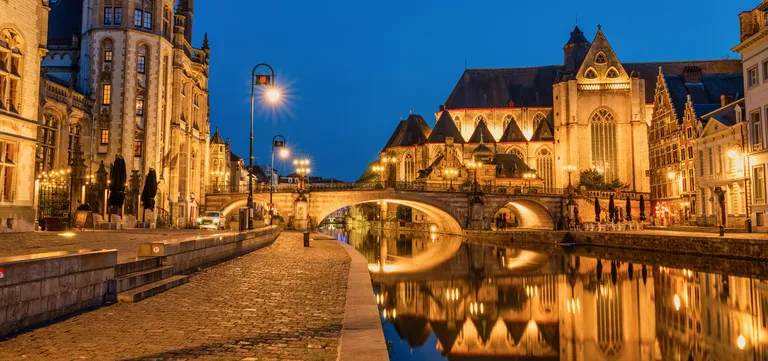
This is also the practical hub of a visit: boat tours depart from the jetty here, every attraction in this guide is within a fifteen-minute walk, and the waterside cafés make the natural start and end point of a Ghent day. It’s a working, lived-in space rather than a museum set — respect the historic surroundings and it will treat you well.
2. Gravensteen Castle (Castle of the Counts)
Gravensteen is the rarest thing in urban Europe: a genuine 12th-century fortress — built in 1180 for the Counts of Flanders — standing moated and complete in the middle of a modern city. It has lived many lives since, as courthouse, prison and even a cotton mill, and the museum inside tells all of them, with the notorious torture exhibition providing the dark chapter.
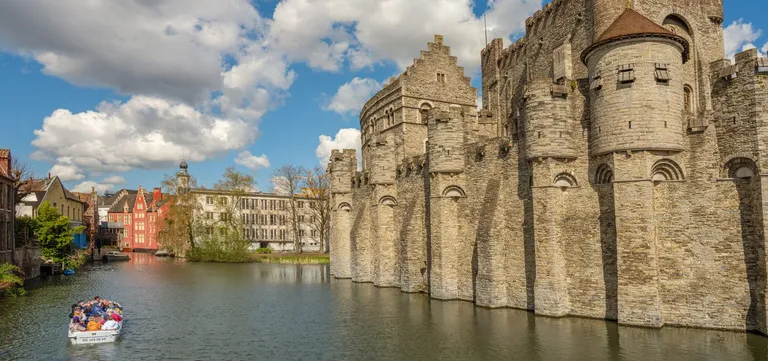
The moment that earns the ticket is the rooftop viewpoint: a panorama over Ghent’s towers and rooftops that no other vantage in the city matches, and a spot most day-trippers miss entirely. Filming from up there, we found it the one Ghent vantage nothing else replaces. Entry is €15 (2026) with timed slots and last tickets at 4:40 pm — book online in peak season, arrive early, dress in layers for the drafty interior, and allow one to two hours.
3. Saint Bavo’s Cathedral & the Ghent Altarpiece
Saint Bavo’s Cathedral would justify a visit for its soaring Gothic interior alone — but it holds one of the most important paintings in Western art: the Adoration of the Mystic Lamb, the 15th-century polyptych by Hubert and Jan Van Eyck, celebrated for detail so fine it repays minutes of staring at a single panel.
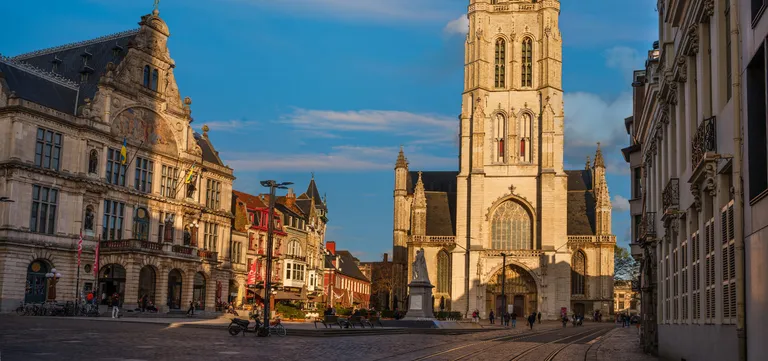
The practicalities matter here: entry to the cathedral is free, but the altarpiece needs a separate timed ticket — €12.50 in 2026, or €16 with the augmented-reality tour. Book online in advance; the viewing closes at 5 pm, earlier than the cathedral. It’s an active place of worship, so dress modestly and keep voices low. The Belfry stands directly opposite — pair them.
4. The Belfry of Ghent
The Belfry of Ghent is the middle tower of the city’s famous three-tower row and a UNESCO World Heritage site — 91 metres of civic pride, raised in the 14th century as the symbol of Ghent’s independence and still carrying a carillon of 54 bells that ring the city’s hours.
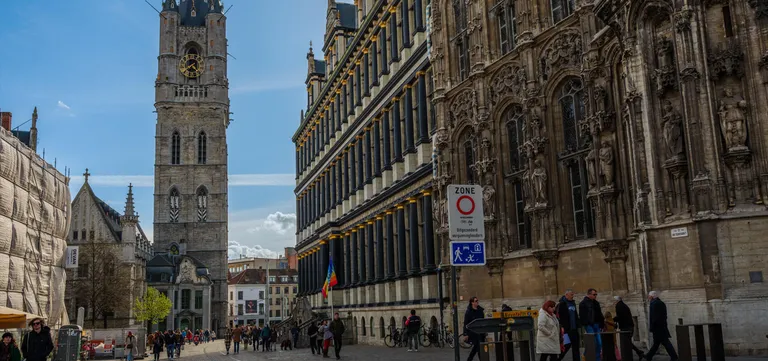
The climb is 366 steps, though a lift now runs from the first floor for much of the ascent — you still take the narrow spiral stairs at bottom and top, and the tower isn’t accessible for visitors with reduced mobility. Entry is €13 (2026). Go early or late to dodge the queues — going early is what worked for us on the day we filmed the climb, and the spiral is far easier without one. Wear shoes with grip for the worn stone, and give the rooftop panorama the time it deserves: castle, cathedral and canals in one sweep.
5. Saint Michael’s Church & Bridge
Saint Michael’s Bridge is where Ghent’s postcard is taken: the one point where the Graslei, the castle and all three towers — Saint Nicholas’ Church, the Belfry and Saint Bavo’s — line up in a single view. Arrive shortly before sunset and stay as the lights come on; no other free viewpoint in the city comes close.
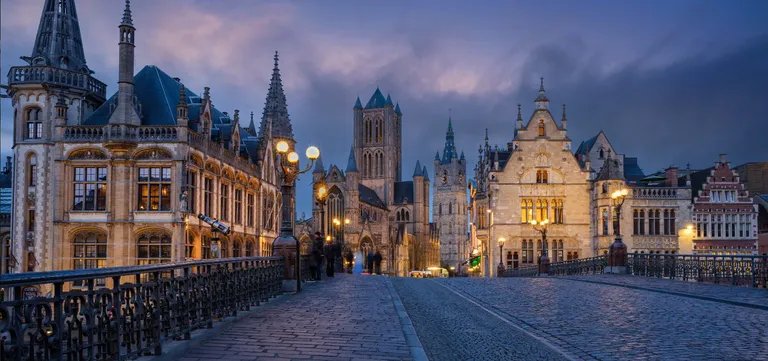
Beside it, Saint Michael’s Church is a late-Gothic work from the 15th century, quieter than the cathedral and worth the step inside — photography is allowed, and it regularly hosts concerts. Three minutes away stands Saint Nicholas’ Church, the oldest of the three towers, with an ornate interior and remarkable stained glass. On the bridge itself, keep half an eye out for trams and cyclists; it’s a working crossing, not a viewing platform.
6. Ghent Boat Tours
Ghent grew from its water, and a boat tour is the fastest way to understand it — guild houses, bridges and the castle seen from the level they were built to be seen from. The classic option is the 40-minute guided trip from the Graslei jetty (€11 in 2026), running along the Leie and the Lieve toward the Rabot towers.
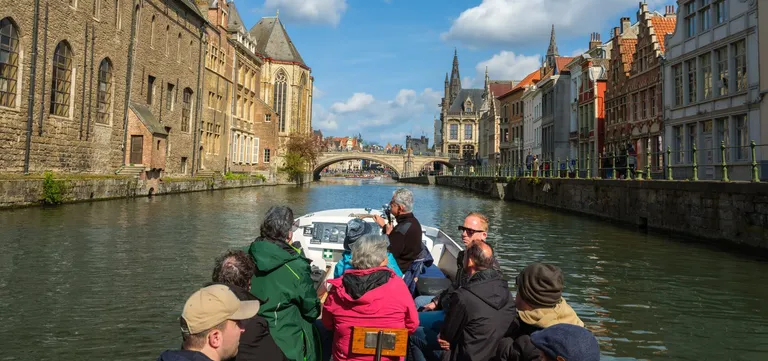
The commentary is better informed than it needs to be — our guide talked the whole trip through and took questions as he went, and the few we asked drew out more of the city’s history than the script alone gives. From April to October a hop-on hop-off water tram adds a six-stop network with one- and two-day tickets, and canoe rental exists for the independent-minded. Book ahead in summer, dress for changeable weather, and follow the operators’ guidelines on the waterways. If slow water through old towns is your travel language, our guide to Giethoorn — the Dutch village with no roads at all — is the natural next trip.
7. Exploring Ghent on Foot
Ghent on foot is the city at its proper speed. The centre is compact, largely car-free and endlessly detailed — every alley pays out. Don’t miss the Stadhuis (City Hall), a single building that flips mid-façade from flamboyant Gothic to Renaissance sobriety as the money ran out and tastes changed; it’s the city’s history written in stone.
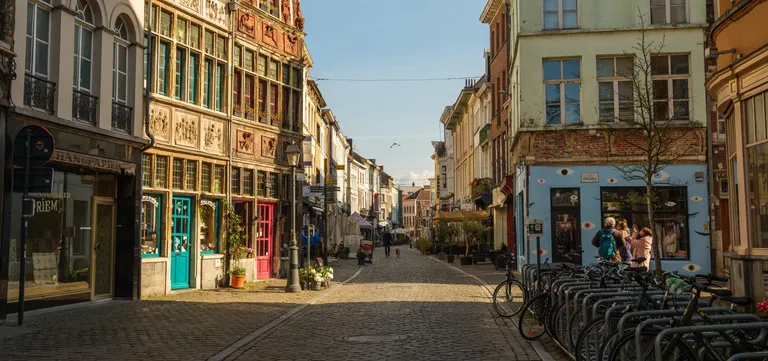
The hidden gem here is the Patershol, a knot of preserved medieval lanes just below the castle, now home to some of the city’s best small restaurants — go at dinner. We joined a free walking tour on our visit and rated it one of the best introductions to the city; tours run daily in season across history, food and street-art themes, and the city’s official guided-tours page keeps the current roster. Comfortable shoes are non-negotiable on the cobbles.
8. Ghent University Botanical Garden
The Ghent University Botanical Garden is the city’s quietest surprise — nearly three hectares and over 10,000 plant species, from Victorian-style greenhouses to medicinal beds — and it’s completely free, outside areas and greenhouses alike. For a major university collection, that’s remarkable, and it makes the garden the easiest add-on in this guide.
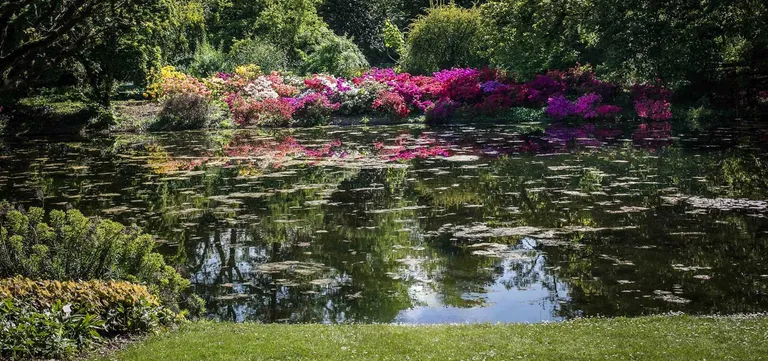
Visit between April and October for the outdoor garden at its fullest; the greenhouses close at 4:30 pm, earlier than the grounds. It sits by the Citadelpark museums quarter — S.M.A.K. and MSK are next door — so it pairs naturally with an art afternoon. Stay on the paths, and check hours before a special trip; weekends run 10 am to 6 pm.
9. Ghent’s Culinary Scene
Ghent has a dish of its own: waterzooi, a creamy stew traditionally built on chicken or fish with vegetables and potatoes, born in this city and still its comfort food of record. Around it, the Belgian canon is everywhere — Belgian waffles in both schools (the dense, caramelised Liège and the lighter, crisper Brussels), moules-frites, and carbonnade flamande, the slow beef-and-beer stew we ordered more than once while filming.

Then there’s the beer. Ghent’s brown cafés are a culture of their own, and De Dulle Griet on the Vrijdagmarkt pours more than 500 local and international beers — the largest selection in the city, from pilsners to Trappist ales, in a room that hasn’t changed its mind about anything in decades.

Food-and-drink walking tours run year-round if you’d rather eat with a guide — the city’s guided-tours page lists the current operators.
10. Ghent’s Museum Scene
For a city its size, Ghent’s museum bench is deep. STAM, the city museum (€14), is the one to start with — it tells Ghent’s own story, including a walk-over aerial map of the city that reframes everything you’ve just seen outside. MSK, the Museum of Fine Arts (€15), spans the Flemish Primitives to the mid-20th century and runs the celebrated Van Eyck restoration workshop.
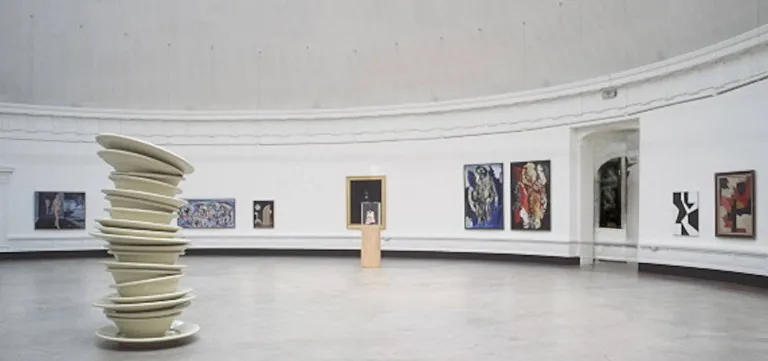
S.M.A.K. (€17) across the park carries the contemporary flag with real ambition. The news for design lovers: Design Museum Gent reopens on 3 October 2026 after a years-long renovation, with its new DING wing — timed exactly for an autumn visit. Most museums here are free under 19, the first Sunday patterns favour residents, and the CityCard Gent covers the lot; check individual opening days, as several close Mondays or Wednesdays.
Useful Links & Resources
- Visit Ghent (official): visit.gent.be — the city’s tourism office
- Gravensteen Castle: historischehuizen.stad.gent — info & timed tickets
- Belfry of Ghent: historischehuizen.stad.gent
- Saint Bavo’s Cathedral & Mystic Lamb tickets: sintbaafskathedraal.be
- Boat tours: Gent Watertoerist · Boat in Gent (hop-on hop-off)
- CityCard Gent: visit.gent.be/citycard
- Ghent museums overview: degentsemusea.be
- Botanical Garden hours: gum.gent
- Belgian rail (SNCB/NMBS): belgiantrain.be
Guide updated August 2026. All prices describe the 2026 season and were verified against official city and institution listings at the time of writing. Always confirm before booking.
We hope this guide — the written companion to our film Ghent: Top 10 MUST-SEE Attractions & Essential Travel Tips — helps you plan a visit that outlasts the day-trip crowds. Climb the belfry, book the Mystic Lamb, eat the waterzooi, and be standing on Saint Michael’s Bridge when the lights come on.
Now it’s your turn to explore Ghent’s medieval streets and create your own Belgian adventure. Happy travels!
Our Photography Portfolio
The photographs in this guide were captured while filming our Ghent travel guide. To license these images — or explore thousands more from nearly three decades behind the camera — find our portfolios on the major stock platforms:
- Shutterstock: Shutterstock Portfolio
- Adobe Stock: Adobe Stock Portfolio
- Getty Images / iStock: Getty Images Portfolio
Frequently Asked Questions
What is there to do in Ghent, Belgium?
- Ghent packs a remarkable amount into a walkable medieval centre: the Graslei and Korenlei quays, Gravensteen Castle, Saint Bavo's Cathedral with the Van Eycks' Ghent Altarpiece, the 91-metre UNESCO-listed Belfry, the view from Saint Michael's Bridge, boat tours on the Leie, the free University Botanical Garden, a serious museum scene and a food culture that runs from waterzooi to a café pouring more than 500 Belgian beers. Our top 10 below covers each one with verified prices.
What can you do in Ghent in one day?
- One full day covers the essentials, because they stand within a fifteen-minute walk of each other: Gravensteen castle, Saint Bavo's Cathedral and the Van Eyck altarpiece, the Belfry, and the Graslei and Korenlei quays. Leave the quays for last and stay into the evening — Ghent lights its monuments after dark, and Saint Michael's Bridge is the one point where the quays, the castle and all three towers line up.
How many days do you need in Ghent?
- One full day covers the essentials — castle, cathedral, belfry and the quays — because everything in the historic centre sits within a fifteen-minute walk. Two days is the comfortable rhythm: it adds a boat tour, the Patershol district, a museum and an unhurried evening on the Graslei, which is when the city is at its best. Many visitors day-trip from Brussels or Bruges, but staying overnight gets you the illuminated quays after the coaches leave.
What does Gravensteen Castle cost?
- Gravensteen costs €15 for adults in 2026, €7.50 for students under 26, €3 for under-19s and is free under 12 — and free with the CityCard Gent. The castle is open daily with last tickets at 4:40 pm, and booking a time slot online in advance is strongly recommended in peak season. Allow one to two hours for the museum, the torture exhibition and the rooftop panorama.
How do you see the Ghent Altarpiece (Mystic Lamb)?
- The Adoration of the Mystic Lamb hangs in Saint Bavo's Cathedral, and viewing it requires a separate timed ticket even though general entry to the cathedral is free. In 2026 the altarpiece visit costs €12.50, or €16 with the excellent augmented-reality tour of the cathedral's crypt. Book online in advance — slots are limited — and note the altarpiece section closes at 5 pm, earlier than the cathedral itself. CityCard holders get €10 off with advance online booking.
Is there an elevator in the Ghent Belfry?
- Partly. The climb is 366 steps in total, but a lift runs from the first floor for much of the ascent — you still take a narrow spiral staircase to reach it and stairs again at the top. The tower is not accessible for visitors with reduced mobility, and comfortable shoes with good grip matter on the worn stone. The carillon of 54 bells and the rooftop panorama over Ghent's three towers are worth every step.
Is Ghent a day trip from Brussels or Bruges?
- Easily. Direct trains from Brussels reach Gent-Sint-Pieters in about 35 minutes and run dozens of times a day; from Bruges it's roughly 25 minutes. That makes Ghent one of Belgium's simplest day trips — though it also means midday crowds, so day-trippers should start early. If you can, stay the night: the quays at dusk, after the day visitors leave, are the reason to come.
What's the best way to get around Ghent?
- On foot. The historic centre is compact and the ten attractions in this guide sit within a fifteen-minute walk of each other. Ghent is also one of Europe's most bike-friendly cities, and an affordable tram network covers anything further out — the CityCard Gent (€49 for 48 hours, €55 for 72) bundles unlimited public transport with entry to the castle, belfry and major museums, plus one boat tour and a day's bike rental.
Do you need to book Ghent attractions in advance?
- For the big three, yes. Gravensteen Castle sells timed slots that fill in peak season, the Mystic Lamb viewing has limited timed tickets that are best secured online, and boat tours are worth reserving in summer. The Belfry, the museums and the free Botanical Garden are walk-up in most seasons. If you're using a CityCard, note it's sold at physical points in the city — the tourist office, hotels, museums — not online.
What food is Ghent known for?
- Waterzooi is Ghent's own dish — a creamy stew traditionally made with chicken or fish, vegetables and potatoes. Beyond it, the Belgian classics are all here: Liège and Brussels waffles, moules-frites, and carbonnade flamande, the beef-and-beer stew. Ghent is also a serious beer city — De Dulle Griet alone pours more than 500 local and international beers, the largest selection in town.