Look Inside
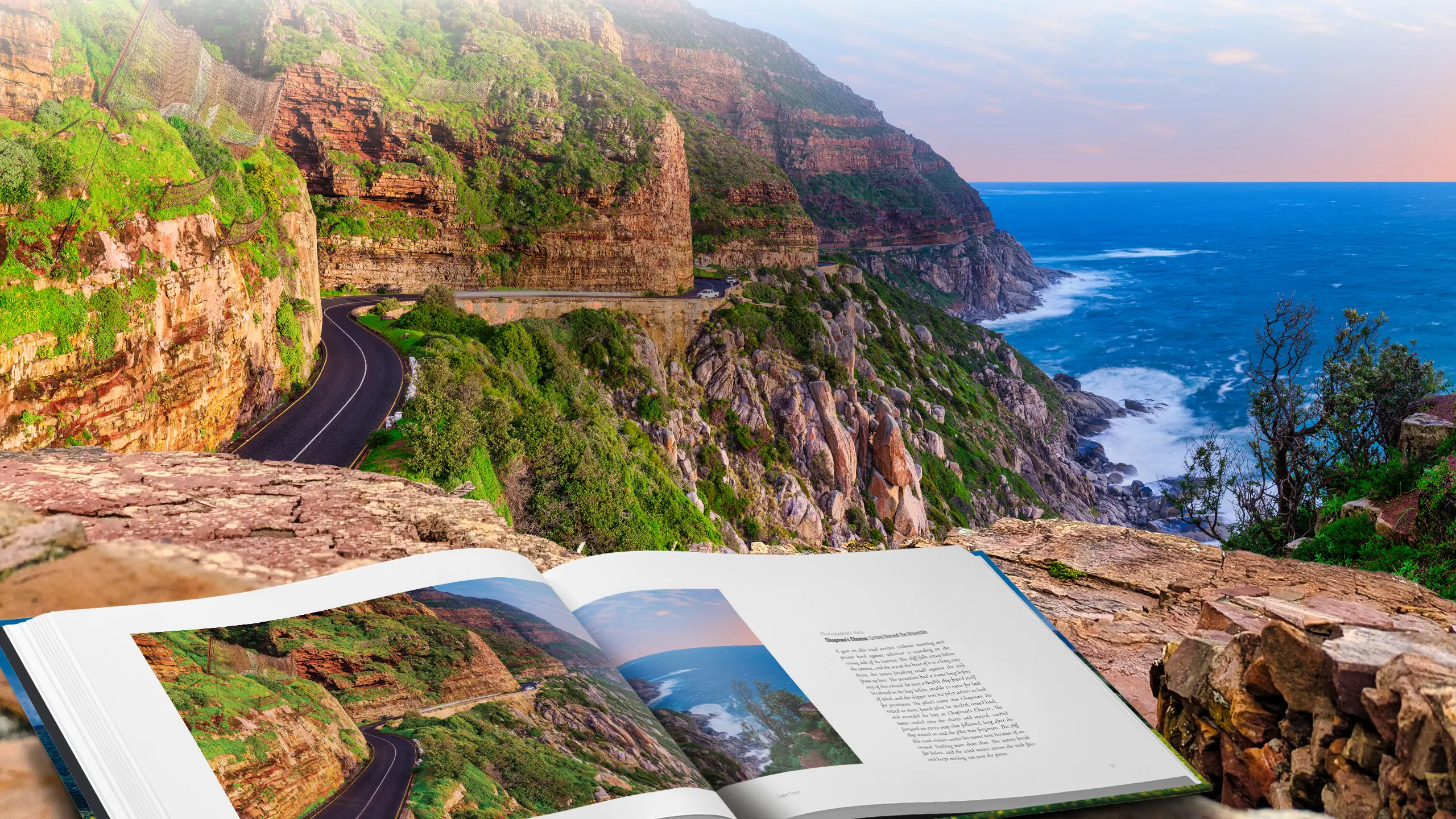
Six pages from the book, one for every region. Each carries the note that runs beside it in print, which you can read or hear read aloud.
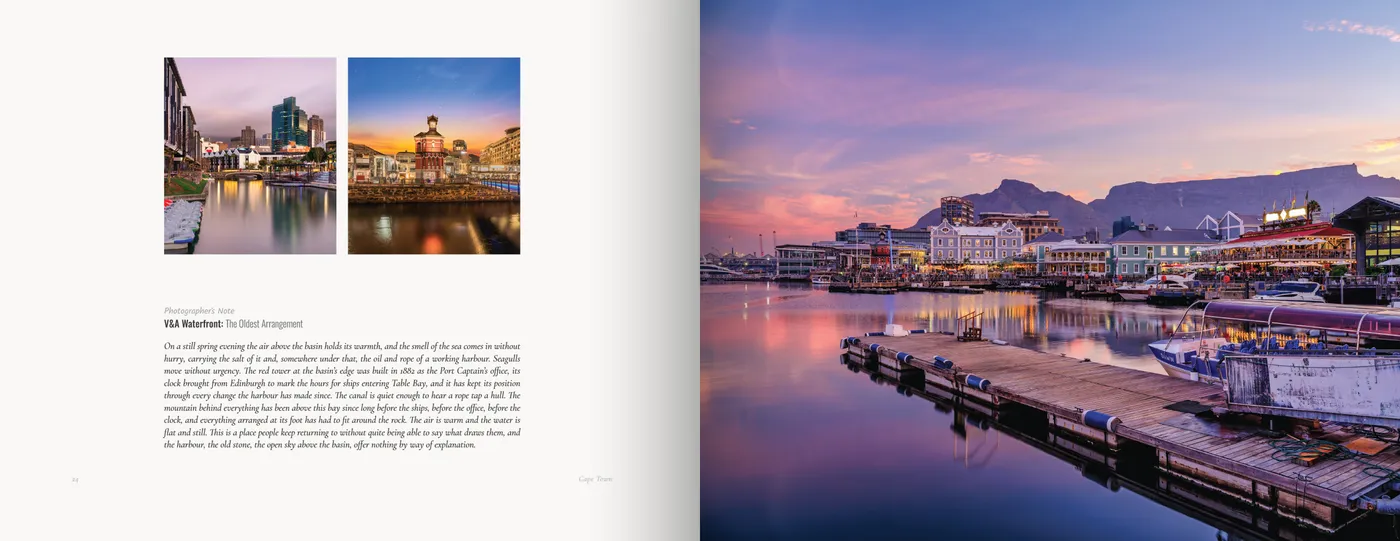
V&A Waterfront: The Oldest Arrangement
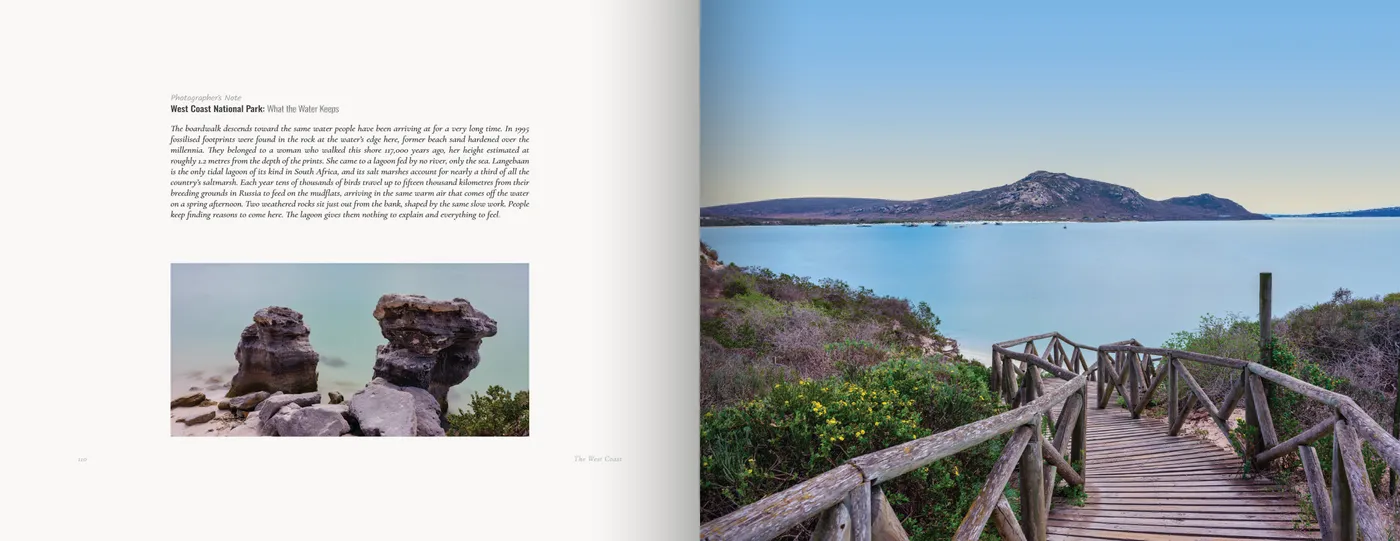
West Coast National Park: What the Water Keeps
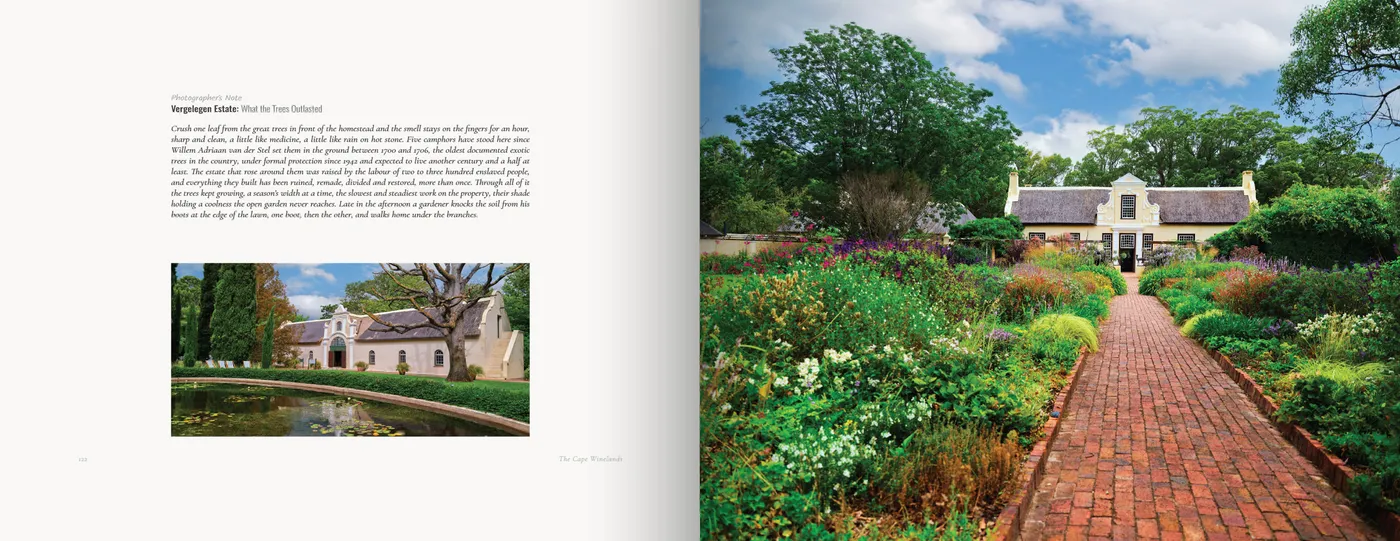
Vergelegen Estate: What the Trees Outlasted
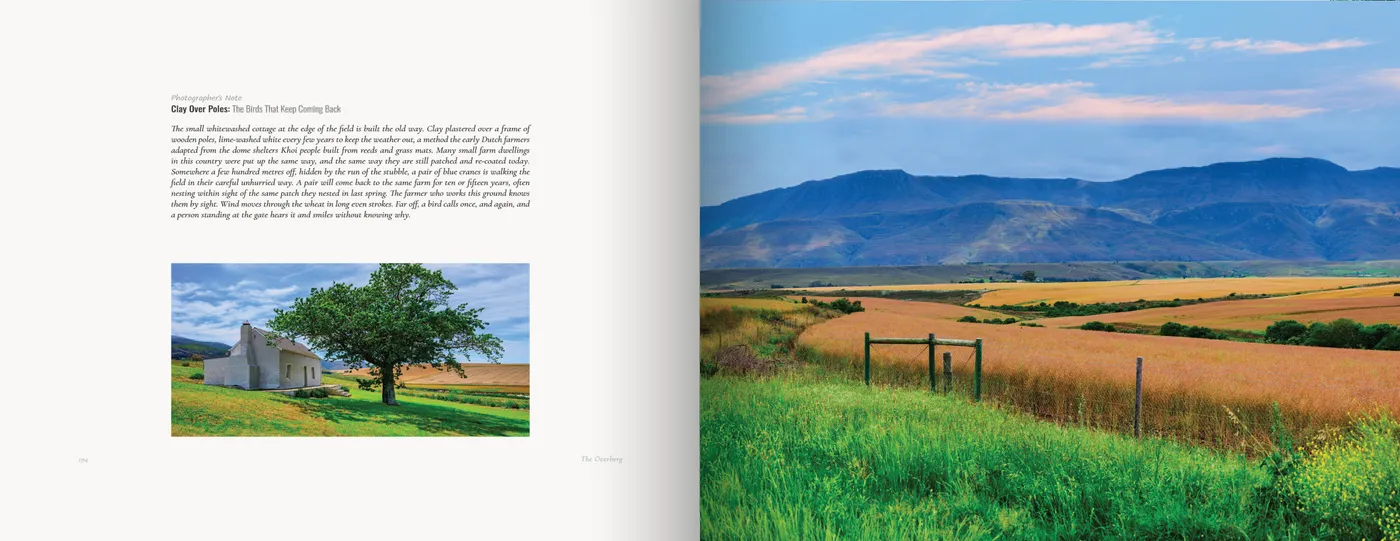
Clay Over Poles: The Birds That Keep Coming Back
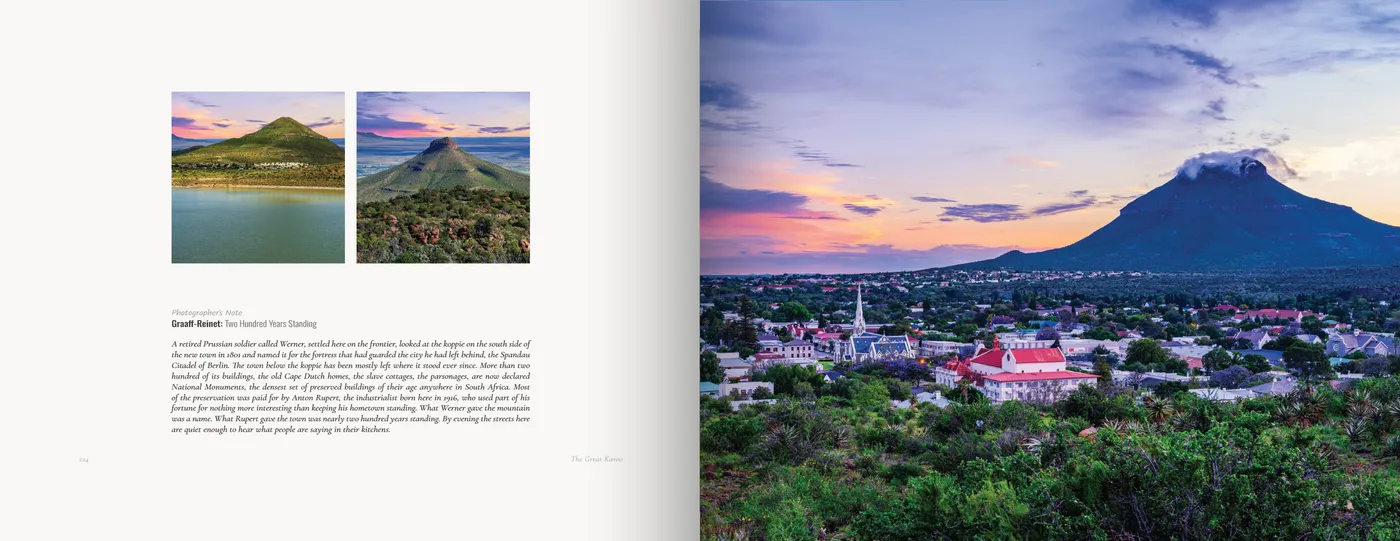
Graaff-Reinet: Two Hundred Years Standing
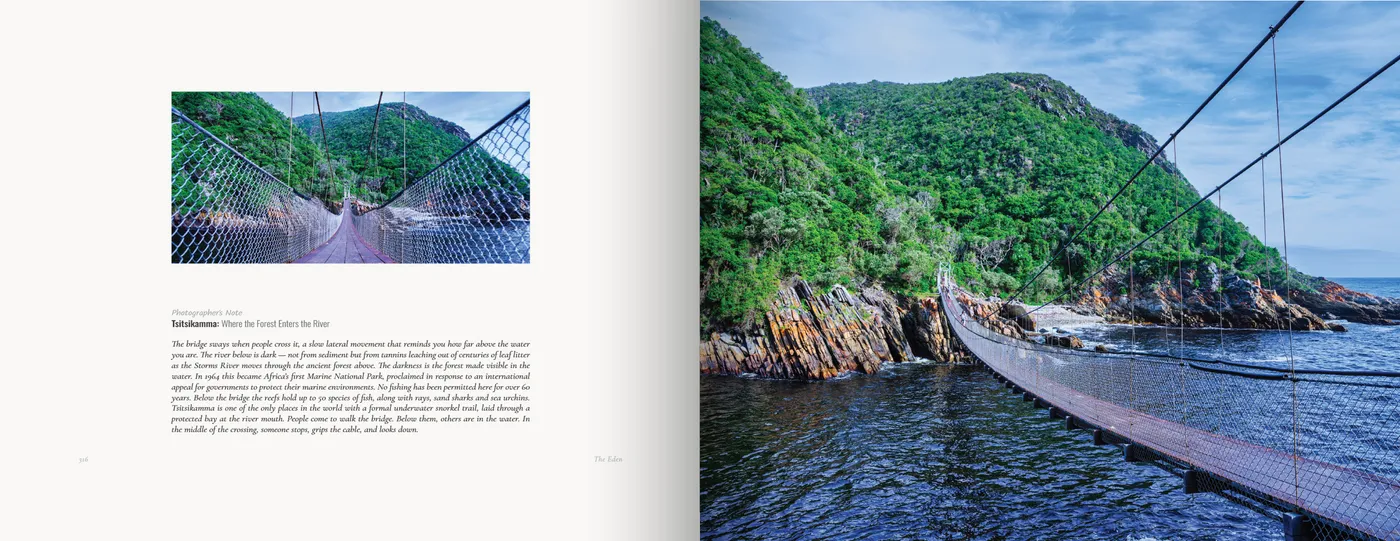
Tsitsikamma: Where the Forest Enters the River
On a still spring evening the air above the basin holds its warmth, and the smell of the sea comes in without hurry, carrying the salt of it and, somewhere under that, the oil and rope of a working harbour. Seagulls move without urgency. The red tower at the basin's edge was built in 1882 as the Port Captain's office, its clock brought from Edinburgh to mark the hours for ships entering Table Bay, and it has kept its position through every change the harbour has made since. The canal is quiet enough to hear a rope tap a hull. The mountain behind everything has been above this bay since long before the ships, before the office, before the clock, and everything arranged at its foot has had to fit around the rock. The air is warm and the water is flat and still. This is a place people keep returning to without quite being able to say what draws them, and the harbour, the old stone, the open sky above the basin, offer nothing by way of explanation.
About the book
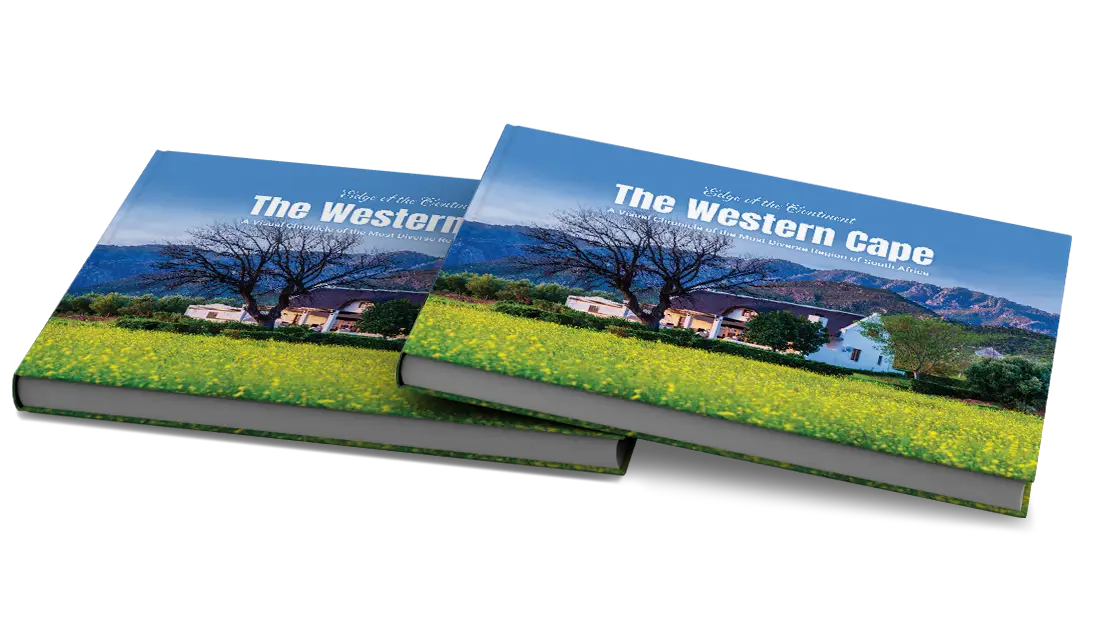
Edge of the Continent is a coffee table book of landscape photography from the Western Cape, South Africa, ten years in the making: the same passes in different weather, the same coastlines at different hours, the same farms across a full turn of the seasons. 52,000 photographs, and the 300 that made it into the book.
The Western Cape is not one place, and the book does not pretend otherwise. It is organised as six worlds: Cape Town under its mountain, the cold Atlantic shore of the West Coast, the cultivated valleys of the Winelands, the wheat and orchard country of the Overberg, the enormous quiet of the Karoo, and the forests and lagoons of the Eden, which most visitors know as the Garden Route. Each is given its own chapter, and each is photographed as somewhere lived in rather than looked at.
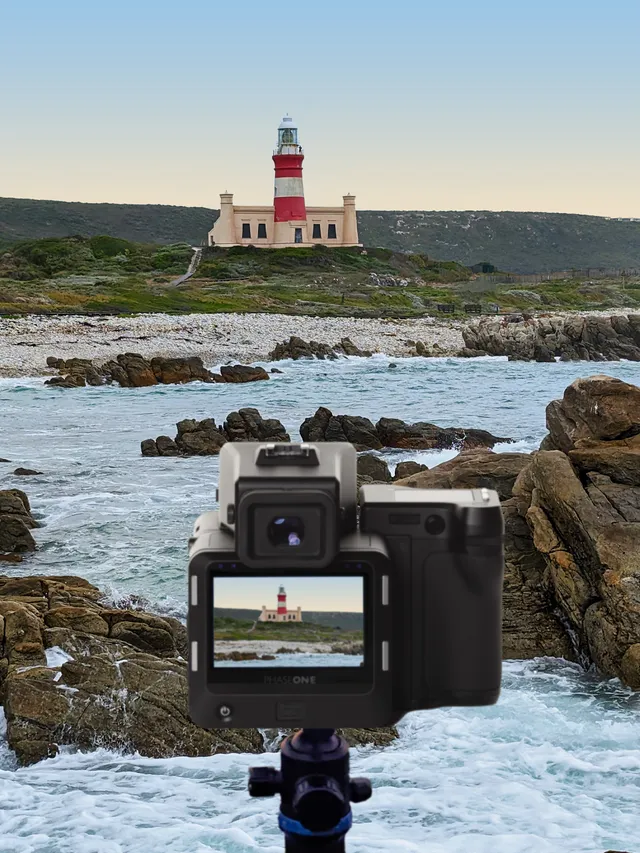
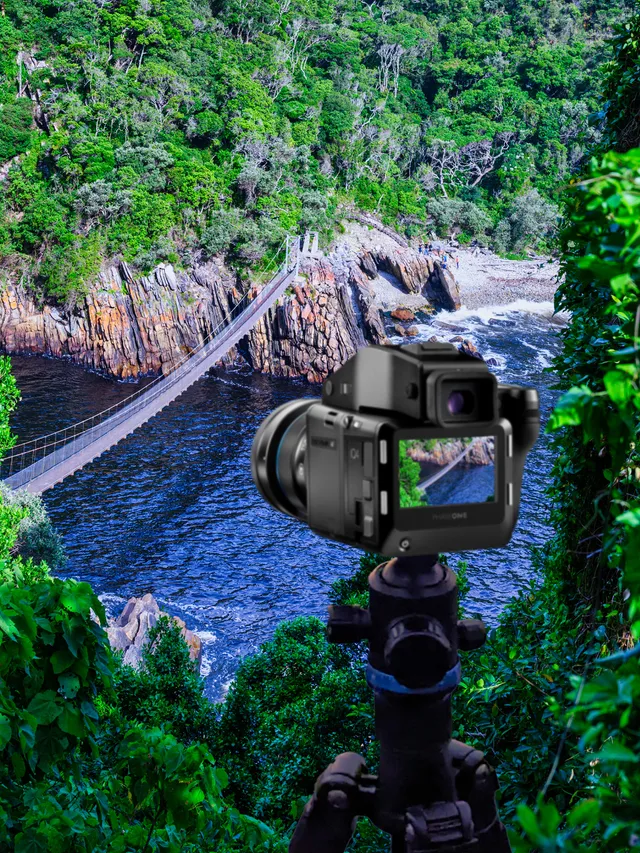
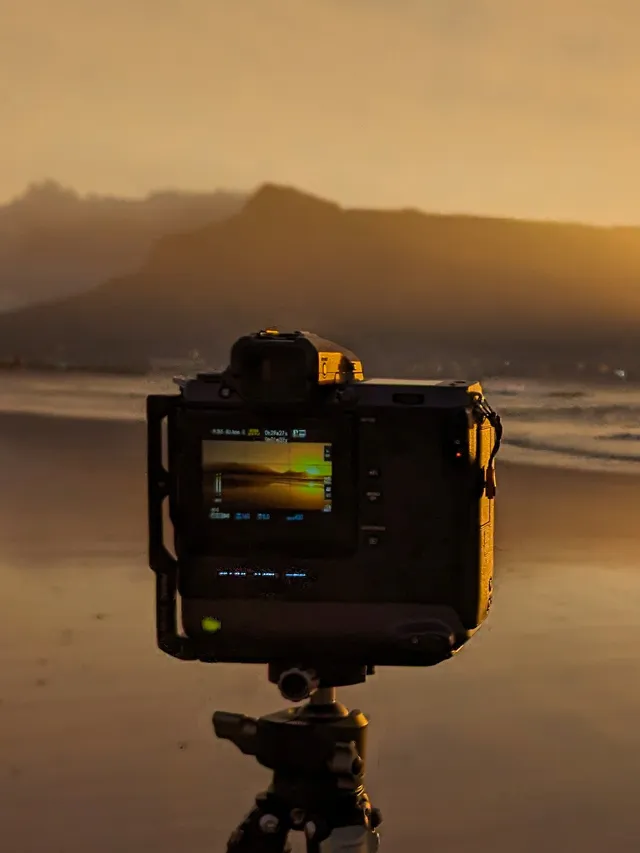
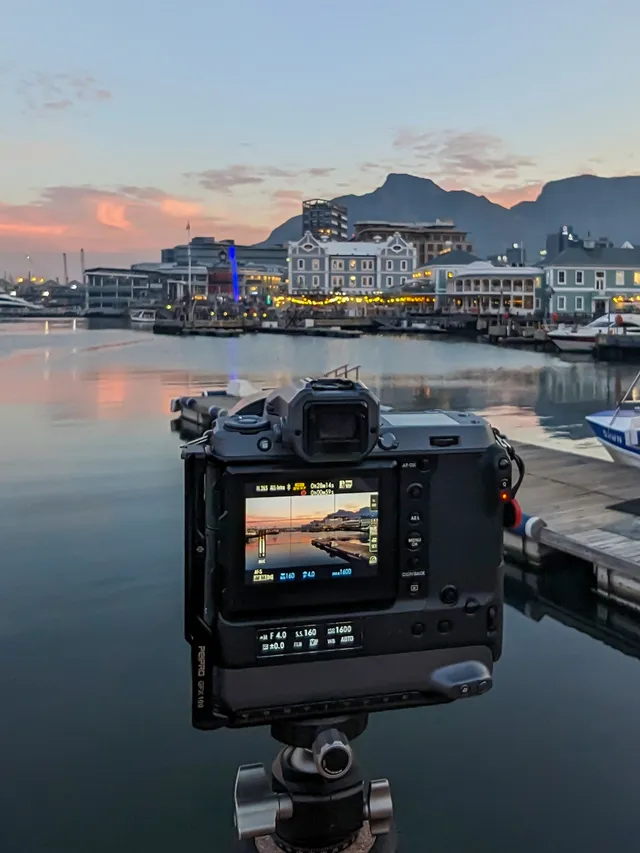
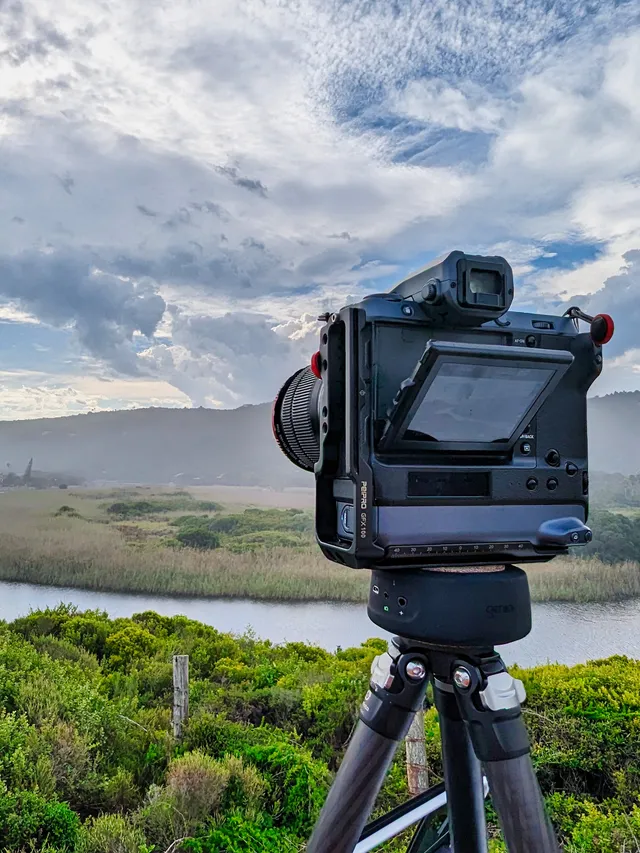
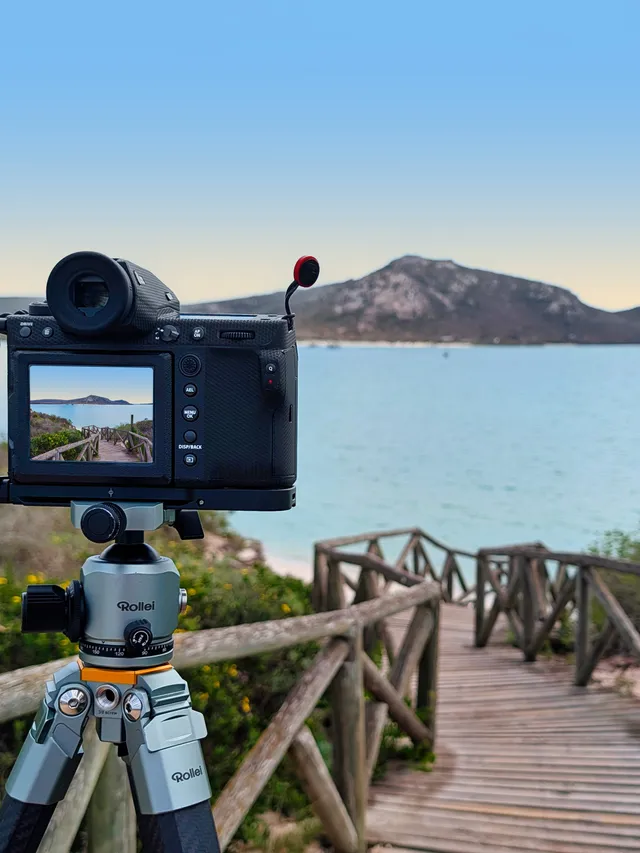
Facing many of the photographs is a short note — what the place was doing that day, what it used to be, what the picture does not show. A woman’s footprints in rock at Langebaan, 117,000 years old. Five camphor trees at Vergelegen that have outlasted every owner of the ground they stand on. They are the notes of someone who was standing there, and they are the reason the book reads rather than merely displays. That makes it a photography book of South Africa that suits a first-time visitor to Cape Town as well as someone who has lived on the Garden Route all their life. As a gift it explains the Western Cape better than a souvenir can, and on a coffee table it gets picked up and read.
About the author
Arnold Petersen has spent his working life building artificial intelligence systems, eighteen years of finding the order inside what looks like noise. Photography has run beside that career the whole way, never as an occupation, always as the thing he could not put down. It began as a hobby in 1990; by 1998 it had earned a Hasselblad, which is not a camera anyone buys casually, and by 2004 the work was being licensed worldwide. The career and the passion turned out to be one discipline at different speeds: each begins with apparent chaos, and each depends on seeing the arrangement inside it.
That habit does not switch off when he lifts a camera. But reading a landscape is only the analysis; the photograph is the invention, and that part no system can be taught. Edge of the Continent is that way of looking turned, at last, on his own home: a small and temporary presence in a place that was here long before you came, and will go on long after.

Specifications
Where to buy
Edge of the Continent is a large-format landscape hardcover: 338 pages, 279 × 216 mm, printed four-colour throughout on 150 gsm matt art paper and threadsewn in Cape Town by Tandym Print. It weighs about 1.8 kg, and it is made to live on a coffee table or a shelf rather than in a bookcase. It is as much a piece of coastal, African decor as a book to read, and a lasting gift for a housewarming, a visitor to Cape Town or a guest house lounge. The first edition is the only edition in print, and it is available worldwide through the retailers below.

 United States

Everywhere else, the book is orderable through any bookshop. Quote ISBN 9781048305746.
Trade, hospitality and corporate
Supplied directly to hotels, estates, galleries and shops, with pricing by volume. For corporate gifting, a tipped-in dedication page carrying your mark and a message from your chief executive can be produced. Signed copies for special guests.
- Volume pricing
- Tipped-in dedication page
- Signed copies
Frequently asked
Is this a coffee table book?
Can I buy a signed copy?
Do you ship internationally?
What edition will I receive?
Can the book be personalised for corporate gifts?