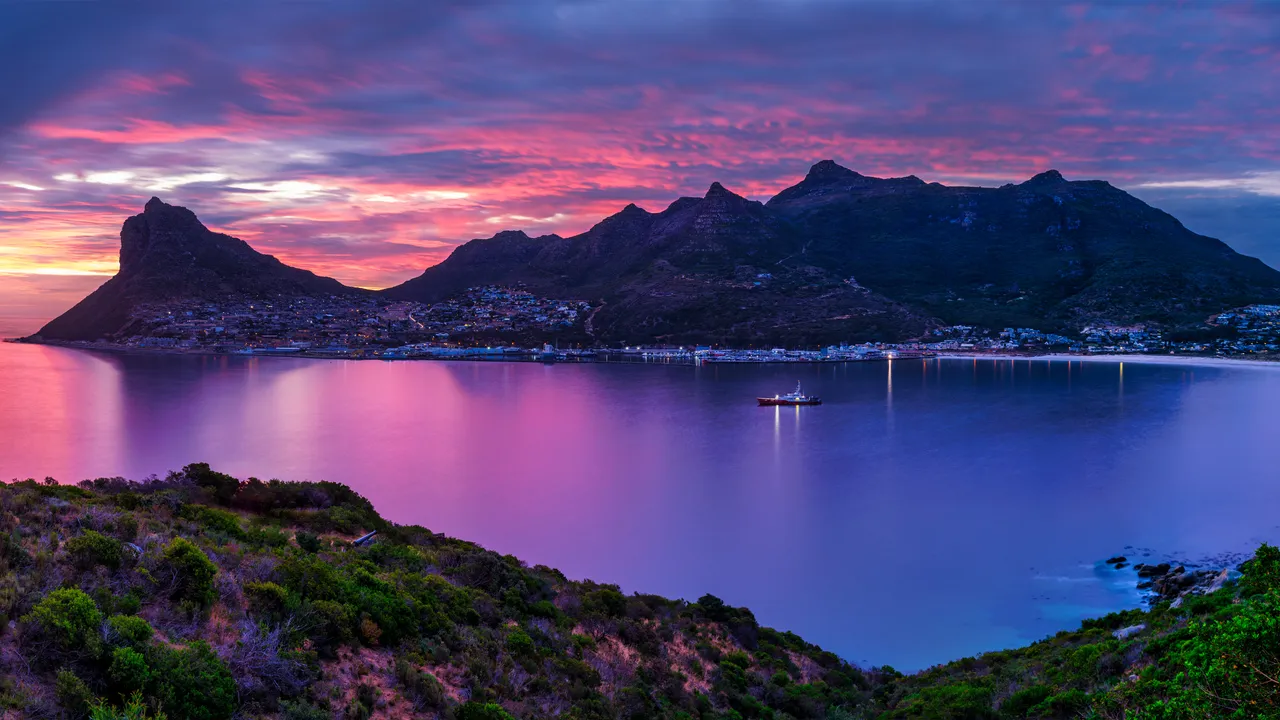
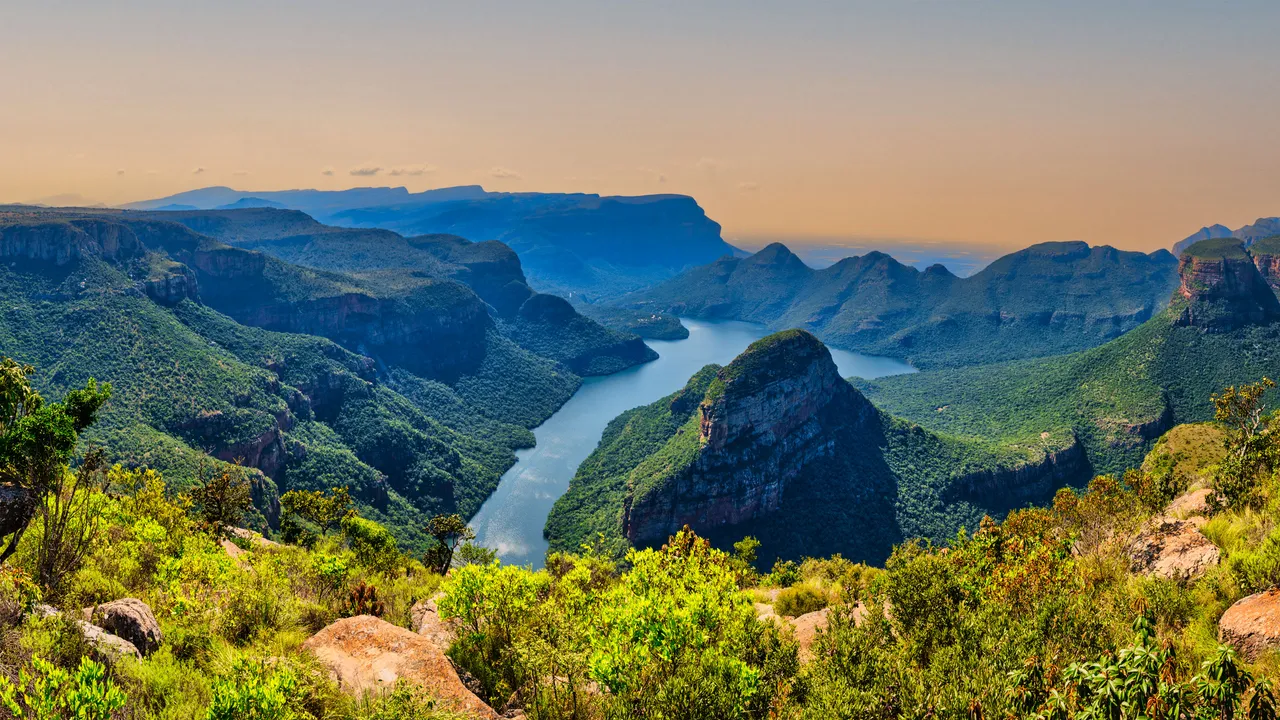
Garden Route, South Africa: A Local's Guide to Every Town & Hidden Gem
Every town from Mossel Bay to Storms River — verified fees, drive times, and the hidden gems from our film.
GeoParallaxFilmed & written on locationGarden Route best kept secrets, a local's guide to hidden gems
The Garden Route's best kept secrets — a local's guide to the hidden gems between Mossel Bay and Storms River, filmed across the route's seasons.
The Garden Route is a ±300 km coastal road trip along South Africa’s southern edge, where the Outeniqua and Tsitsikamma mountains meet the Indian Ocean. After filming it town by town for GeoParallax, we’ve gathered the whole drive here — every town worth stopping in, the hidden gems most itineraries miss, and verified fees, distances and drive times for planning.
The region is malaria-free, family-friendly, and drivable in a standard car. Below: how far it is, how long you need, what it costs (verified fees), then every stop from west to east — including the hidden gems from our film.
Table of Contents
- How far is the Garden Route from Cape Town? (Distances & drive times)
- Top things to do on the Garden Route
- The Garden Route’s hidden gems
- How many days do you need on the Garden Route?
- When is the best time to visit the Garden Route?
- What does the Garden Route cost? (Entrance fees, verified)
- Is it safe to drive the Garden Route?
- What to pack (and health notes)
- 1. Mossel Bay: Where History Meets the Sea
- 2. George: Gateway to Mountains, Gardens & Golf
- 2a. Hidden Gem: Herold Wines Mountain Retreat
- 3. Oudtshoorn: Ostriches, Caves & Karoo Charm
- 4. Hidden Gem: Kaaimans River Viewpoint & Crossing
- 5. Wilderness: Lakes, Forests & Tranquil Charm
- 6. Sedgefield: The Slow Town Hidden Gem
- 7. Knysna: Jewel of the Garden Route
- 8. Plettenberg Bay: Beaches, Hikes & Wildlife Wonders
- Frequently Asked Questions
- Useful Links & Resources
- Our Photography Portfolio
How far is the Garden Route from Cape Town? (Distances & drive times)
Mossel Bay, the western gateway of the Garden Route, is roughly 385 km from Cape Town — about a four-hour drive on the N2. From there the route unfolds in short, easy hops: no two neighbouring towns are more than about 45 minutes apart, which is exactly why this is South Africa’s favourite road trip.
| Leg (via N2) | Distance | Driving time* |
|---|---|---|
| Cape Town → Mossel Bay | ±385 km | ±4 h 00 |
| Mossel Bay → George | ±44 km | ±0 h 35 |
| George → Oudtshoorn (inland detour, Outeniqua Pass) | ±58 km | ±0 h 50 |
| George → Wilderness | ±18 km | ±0 h 20 |
| Wilderness → Sedgefield | ±27 km | ±0 h 20 |
| Sedgefield → Knysna | ±23 km | ±0 h 20 |
| Knysna → Plettenberg Bay | ±33 km | ±0 h 25 |
| Plettenberg Bay → Nature’s Valley | ±29 km | ±0 h 30 |
| Nature’s Valley → Bloukrans Bridge | ±10 km | ±0 h 10 |
| Bloukrans Bridge → Storms River Mouth | ±25 km | ±0 h 25 |
| Cape Town → Storms River (full route) | ±600 km | ±6 h 30 driving |
*Approximate, without stops — and the whole point of the Garden Route is the stops.
Top things to do on the Garden Route
The top things to do on the Garden Route run the length of the drive: the Knysna Heads and lagoon, the Cango Caves and ostrich farms of Oudtshoorn, paddling the Touw River at Wilderness, the Storms River Mouth suspension bridge in Tsitsikamma, the Bloukrans bungee, and the beaches and Robberg peninsula at Plettenberg Bay. Each has its own section below, with fees, hours and drive times.
The Garden Route’s hidden gems
The hidden gems are the stops the highway hurries past: Herold Wines above Montagu Pass, the Kaaimans River crossing between George and Wilderness, the slow town of Sedgefield, and Nature’s Valley in the Tsitsikamma forest. Each has its own section below, with what it is and how to reach it.
- Herold Wines Mountain Retreat — a boutique wine farm reached by the historic Montagu Pass, its vineyards among the highest in South Africa, with Pinot Noir the speciality.
- Kaaimans River Viewpoint & Crossing — the gorge the N2 crosses in ten seconds, where mountain, forest, river and sea meet. Stop at the informal pull-offs near the bridge.
- Hidden gems in Wilderness — the quieter corners of the lakes and forest behind the village.
- Sedgefield — Africa’s first accredited Cittaslow “Slow Town”, among lakes, lagoon and dune-backed beaches between Wilderness and Knysna.
- Nature’s Valley — a hamlet folded into the Tsitsikamma forest where a pristine beach meets the Groot River lagoon, and the finish line of the Otter Trail.
How many days do you need on the Garden Route?
You can cover the key highlights in 4–5 days, but we strongly recommend 7–10. That allows a night in each of three or four bases, time for one full-day inland detour to Oudtshoorn, and the slack to linger when a beach, forest trail or farmers’ market deserves it.
Rushing the route in two days is the most common mistake we see — you spend the trip looking at the Garden Route through a windscreen.
When is the best time to visit the Garden Route?
The Garden Route works year-round; the seasons trade beach weather against crowds and whales. Summer (November–April) has the best swimming weather and the biggest crowds — December and January are peak. Winter (June–August) is coolest and quietest, with the lowest prices and the start of whale season.
Autumn and spring are the shoulder sweet spots: pleasant weather, thinner crowds, and — in spring — wildflowers plus peak whale watching. Winter adds the Knysna Oyster Festival in July, and we found the route at its emptiest either side of it.
- Summer (Nov–Apr): beach-perfect; expect peak crowds and prices in Dec/Jan. February–March offer the same weather with fewer people.
- Winter (Jun–Aug): cool, sometimes rainy in the west; fewest crowds. Whale watching begins June/July. Winter often surprises with clear, crisp days that are perfect for forests and viewpoints.
- Autumn (Mar–May) & Spring (Sep–Nov): the balance most return visitors choose — good hiking weather, quieter roads, spring wildflowers and whales.
What does the Garden Route cost? (Entrance fees, verified)
Most Garden Route landscapes are free — beaches, viewpoints, mountain passes and village strolls cost nothing. The paid entries are the protected areas and the big-ticket adventures: national park sections run R51–R82 a day for South Africans and R165–R367 for international visitors, Robberg is R75, and the Bloukrans bungee is the route’s priciest single thrill at around R1,899. These are the current rates:
| Attraction | Fee (adults) | Fee (children) | Notes |
|---|---|---|---|
| Garden Route NP — Wilderness section | R61 (SA) / R235 (intl.) | R30 (SA) / R118 (intl.) | Daily conservation fee |
| Garden Route NP — Tsitsikamma, Storms River Mouth | R82 (SA) / R367 (intl.) | R41 (SA) / R183 (intl.) | Daily conservation fee |
| Garden Route NP — Tsitsikamma, Nature’s Valley | R73 (SA) / R165 (intl.) | R37 (SA) / R82 (intl.) | Daily conservation fee |
| Garden Route NP — Knysna forests | R51 (SA) / R231 (intl.) | R26 (SA) / R115 (intl.) | Daily conservation fee |
| Robberg Nature Reserve (CapeNature) | R75 | R55 | Day access; gates 07:00–20:00, no entry after 19:00 — 07:00–18:00 from 1 October to 30 April |
| Cango Caves | R150–R300 range | Child rates apply (5–12) | Heritage tour ±60 min, Adventure tour ±90 min; book via Webtickets |
| Mossel Bay over-ocean zipline | R800 | — | Operator-listed price; booking is walk-in at their office |
| Bloukrans bungee (Bloukrans Bungy) | ±R1,899 | — | 216 m |
| Featherbed Nature Reserve, Knysna | Price on booking | Price on booking | Ferry + 4x4 + guided walk; with/without lunch options |
SANParks conservation fees are the official 1 November 2025 – 31 October 2026 tariffs, charged per day, per section; adult rates apply from age 12, child rates from 2 to 11, and SADC-national rates sit between the South African and international figures. Robberg (CapeNature) and the Wild Oats market hours were verified against official listings on 23 August 2026. Cango Caves, the Mossel Bay zipline, the Bloukrans bungee and Featherbed publish no rates publicly — those figures are indicative only and were not re-confirmed on that date. Fees change annually — treat these as planning figures and confirm when booking.
Two practical money notes: carry some cash (ZAR) for smaller gates, craft stalls and informal car guards (R5–R20 is customary), and remember SANParks fees are charged per day, per section.
Is it safe to drive the Garden Route?
Yes — the Garden Route is one of South Africa’s easiest self-drive regions, provided you follow a few non-negotiable local rules. Drive on the left, and don’t drive at night: potholes, unfenced animals and pedestrians become invisible, and security risks rise. Plan every leg to arrive before dark — we did, on every shoot.
Keep doors locked and valuables in the boot (stow them before you arrive, not in the parking lot). Stick to the main numbered roads rather than GPS shortcuts through unfamiliar areas.
- Speed limits: 60 km/h urban, 100 km/h rural, 120 km/h freeway unless signed otherwise; cameras are common.
- Alcohol: the legal limit is 0.05% BAC — the only sensible policy when driving is zero.
- The car: a standard sedan handles the whole route; higher clearance helps on gravel detours (Seven Passes Road, some hidden-gem turnoffs).
- Offline maps: download them before you leave — signal disappears in the mountains, forests and parks. Don’t rely on live navigation.
- Stopping: use designated viewpoints and busy places; avoid pulling over in isolated spots.
- Hazards: potholes, dawn/dusk wildlife, unfenced livestock, and minibus taxis that stop without warning.
Emergency numbers (nationwide): Police 10111 · Ambulance 10177 · From any mobile 112.
What to pack (and health notes)
Pack for four seasons in one trip: t-shirts and a fleece, a waterproof jacket (rain is possible year-round), comfortable walking shoes (boots if you’ll hike), high-SPF sunscreen, hat and sunglasses, insect repellent for evenings near water, a swimsuit, binoculars for whales and birds, and a refillable water bottle.
Health is simple here: the Garden Route is entirely malaria-free — no prophylaxis needed. Tap water in the major towns is treated; bottled water is a reasonable precaution if you’re sensitive. Keep routine vaccinations current, and carry comprehensive travel insurance.
1. Mossel Bay: Where History Meets the Sea
Mossel Bay is the Garden Route’s western gateway and its deepest well of history: the Pinnacle Point caves hold some of the earliest evidence of modern human behaviour, and Bartolomeu Dias made the first recorded European landing in South Africa here in 1488. Give it half a day to a full day.
Today the town mixes that heritage with Blue Flag beaches, warm Indian Ocean swimming, and the world’s longest over-ocean zipline.
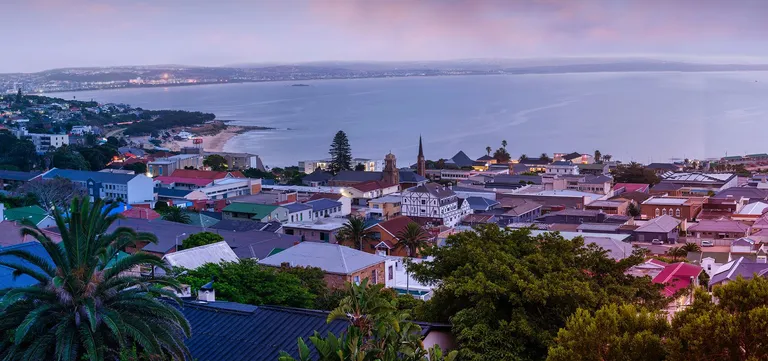
Dive into the past at the Bartolomeu Dias Museum Complex, whose highlight is a full-scale, seaworthy replica of Dias’s caravel. Don’t miss the Post Office Tree — an ancient milkwood where sailors left letters five centuries ago; you can still post mail in the boot-shaped postbox beneath it. For coastal panoramas, head to the Cape St. Blaize Lighthouse and walk the first stretch of the cliff-hugging St. Blaize Trail.
Beyond history: swim at Blue Flag Santos Beach, surf the turquoise waves, or ride the Mossel Bay Zipline — R800, and by the operator’s claim the longest over-the-ocean zipline in the world. For something genuinely unique, book the guided Point of Human Origins tour into the Pinnacle Point caves.
Tips for visiting Mossel Bay:
- Dias Museum Complex: allow a couple of hours for the caravel, Maritime and Shell museums, and the Post Office Tree.
- Cape St. Blaize: lighthouse views plus the scenic start of the St. Blaize Trail.
- Santos Beach: family-friendly and safe for swimming.
- Point of Human Origins: guided tours only — book ahead.
- Whale watching: boat trips run June–November, peaking July–October.
- More info: Mossel Bay Tourism.
2. George: Gateway to Mountains, Gardens & Golf
George is the Garden Route’s largest town and practical hub — home to the region’s main airport, the gateway to two spectacular mountain passes, and South Africa’s premier golf estates. It’s a working town rather than a postcard village, which is exactly why it makes such a convenient base: from here the coast, the lakes and the Klein Karoo are all within an hour.
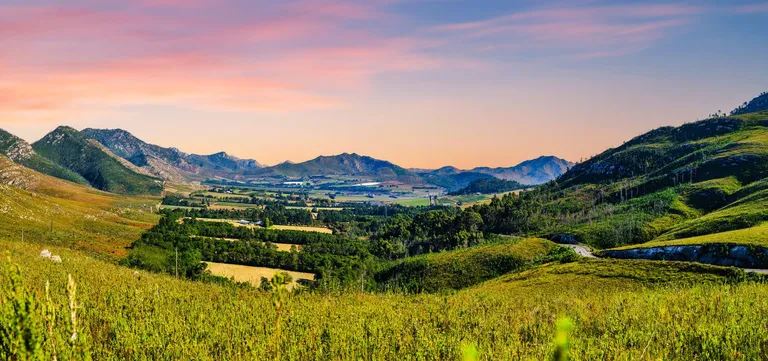
Nature lovers should wander the Garden Route Botanical Garden — fynbos, medicinal plants and forest streams. Golfers know George for courses like Fancourt. Rail and motoring history lives at the Outeniqua Transport Museum — and that history is stirring: as of 2026, the Outeniqua Choo-Tjoe steam train is being revived. Operator Classic Rail has begun clearing the historic line, with a first phase planned between Knysna and Sedgefield before extending toward George. Check the operator for current progress before counting on it.
From George, choose your pass over the Outeniquas: the paved, modern Outeniqua Pass, or the winding, historic and mostly-gravel Seven Passes Road — the slow, scenic, less-travelled way.
Tips for visiting George & surrounds:
- Botanical Garden: a tranquil hour among local fynbos and forest ecosystems.
- Golf: book championship tee times well in advance.
- Transport Museum: engaging for families and rail fans — and the place to feel the Choo-Tjoe story.
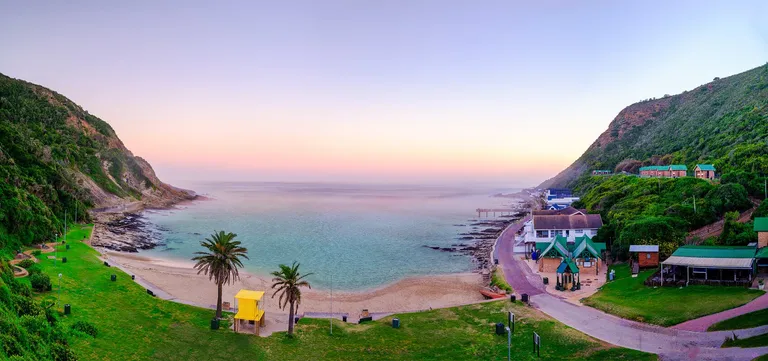
- Victoria Bay: a gorgeous small surfing cove 15 minutes away; arrives busy in season.
- Mountain passes: Outeniqua Pass for accessible views; Seven Passes Road for the gravel adventure.
- Trails: hiking and mountain biking via George Trails.
- More info: George Tourism.
2a. Hidden Gem: Herold Wines Mountain Retreat
Herold Wines is the detour most Garden Route visitors never make: a boutique wine farm reached via the historic Montagu Pass, perched high on the fynbos slopes of Cradock Peak with the Outeniqua Nature Reserve on three sides. Its vineyards are among the highest in South Africa — cool mists, crisp winters, a long growing season — producing distinctive cool-climate wines, with Pinot Noir the speciality.
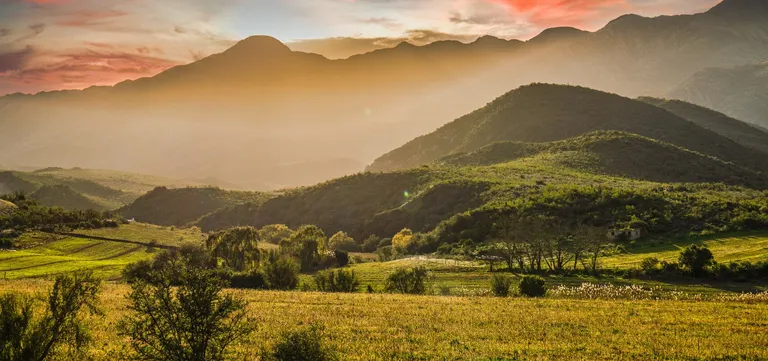
This is not a polished estate experience — it’s a family farm with a village-like atmosphere, tastings often hosted by the owners in the working cellar, and platters or pizzas eaten with the vines stretching toward the mountains. When we filmed here, the silence between pours was the point.
Tips for visiting Herold Wines:
- Tastings: relaxed and personal, frequently in the cellar; the high-altitude Pinot Noir is the one to try.
- Food: cheese platters and light meals during the week; pizzas on Saturdays and public holidays. Picnic baskets need 48 hours’ notice.
- Plan ahead: opening days and hours vary — call or check the Herold Wines website before making the trip; we drove the Montagu Pass in a standard car and it was fine dry up the pass.
- Stay: self-catering farm cottages make it a peaceful overnight.
- Walks: farm paths, fynbos trails, river swimming holes, and hikes into the adjoining reserve.
3. Oudtshoorn: Ostriches, Caves & Karoo Charm
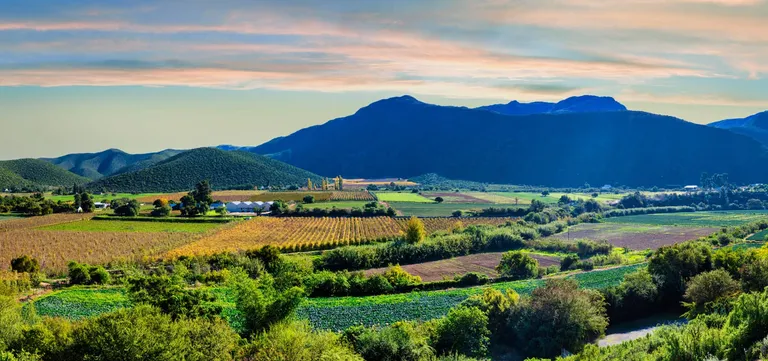
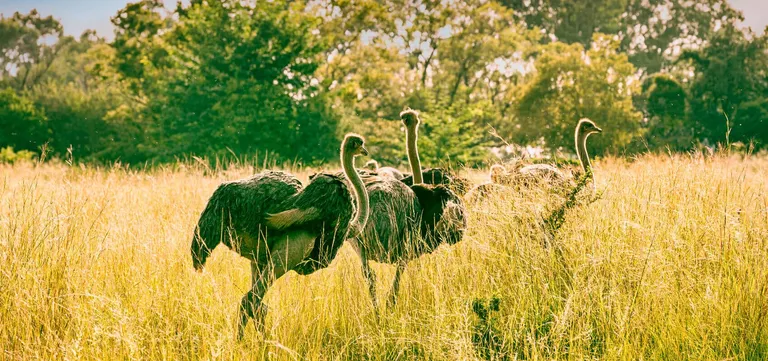
Oudtshoorn is the Garden Route’s classic inland detour — about 50 minutes from George over the Outeniqua Pass into the semi-desert Klein Karoo. The “Ostrich Capital of the World” earned its name in the feather boom a century ago, and its two headline attractions remain the working ostrich farms and the Cango Caves, one of South Africa’s oldest natural wonders. Budget a full day and an overnight stay.
The Cango Caves are a 20-million-year-old limestone system of vast chambers hung with stalactites. Two guided options: the Heritage Tour through the great halls (easy), or the Adventure Tour for the nimble — crawls, chimneys and squeezes not suited to everyone. Book ahead in season; tour numbers are limited.
An Ostrich Show Farm visit covers the birds, the incubators, chicks in season, and the strange glamour of the feather-boom era — choose a reputable, ethical operator: Highgate or Cango Ostrich.
Tips for visiting Oudtshoorn:
- Plan the detour: it deserves a night, not a drive-through.
- Cango Caves: pre-book, especially the Adventure Tour — and check its physical requirements honestly.
- Meerkats: early-morning encounters exist (booking essential), plus the Cango Wildlife Ranch.
- Scenic passes: Oudtshoorn is the gateway to the gravel Swartberg Pass (check conditions) and the paved Meiringspoort — two of South Africa’s great mountain drives.
- More info: Oudtshoorn Tourism.
4. Hidden Gem: Kaaimans River Viewpoint & Crossing
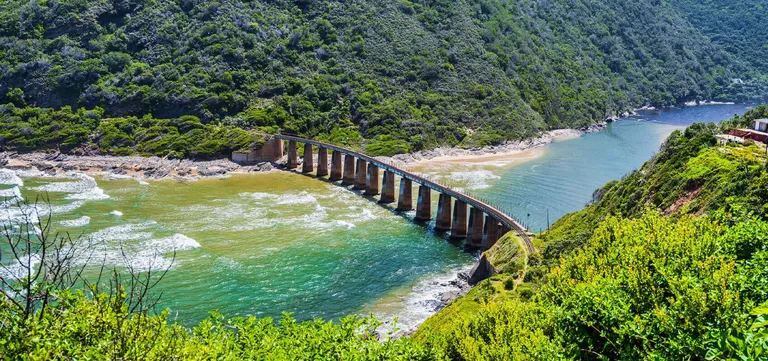
Between George and Wilderness the N2 crosses the Kaaimans River gorge — a ten-second glimpse most drivers get of one of the route’s most dramatic meetings of mountain, forest, river and sea. Stop safely at the informal pull-offs near the bridge and the scene opens up.
From there you get the steep, lush gorge, the river mouth, and the iconic old railway bridge spanning it — the line being cleared for the Choo-Tjoe’s return. We pulled off here on every pass between George and Wilderness.
Tips for visiting Kaaimans River:
- Stopping: the viewpoints are highway pull-offs — park completely off the road and take extreme care rejoining traffic.
- On the water: kayak and SUP hire at the river mouth (Kaaimans Adventures) lets you paddle upstream into the gorge toward waterfalls; kloofing tours run for the adventurous.
- The railway bridge: photograph it as it stands — the line beneath it is being cleared for the Choo-Tjoe’s return, so the scene may not stay this quiet.
5. Wilderness: Lakes, Forests & Tranquil Charm
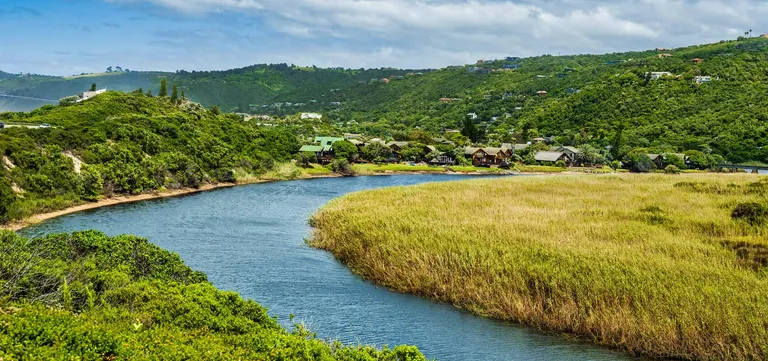
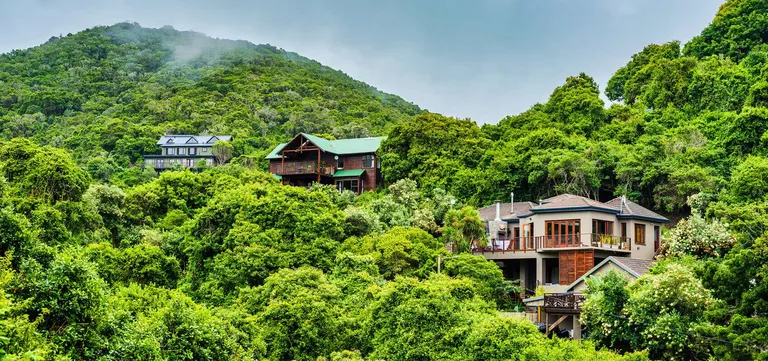
Wilderness is where the Garden Route slows its pulse: a village threaded between kilometres of beach, dense indigenous forest, and a chain of rivers and lakes protected as a Ramsar wetland. The Wilderness section of the Garden Route National Park is the heart of it — and the reason this unassuming village out-draws far bigger names for travellers who want nature rather than nightlife.
Hidden gems in Wilderness
Wilderness hides its best in plain sight: dawn paddling on the Touw and the Serpentine, the Map of Africa viewpoint at sunset, the Malachite and Rondevlei bird hides, and the Kingfisher trails — all minutes from Ebb & Flow.
The quintessential Wilderness experience is by paddle: canoe or kayak up the Touw River through forested gorges to hidden waterfalls, or wind along the reedy Serpentine among the birdlife. Hikers have the Kingfisher trails; photographers have the Map of Africa viewpoint; and the truly airborne can tandem-paraglide the coastal ridge (Cloudbase Paragliding). This stretch of river is where our film lingered longest — dawn on the Touw is the Garden Route at its most honest.
Tips for visiting Wilderness:
- National Park: conservation fees apply (see the fee table) for Ebb & Flow and certain trailheads.
- Paddling: rentals at Ebb & Flow Rest Camp or Eden Adventures.
- Trails: the Kingfisher routes are the classics; grab a map at the park office.
- Map of Africa: the continent drawn by a river bend — best at sunset.
- Birding: the Malachite and Rondevlei hides on the lakes are superb.
- Conditions: check SANParks’ Garden Route notifications for current road and trail closures before you drive in.
- More info: Wilderness Info.
6. Sedgefield: The Slow Town Hidden Gem
Sedgefield is the town most Garden Route itineraries skip — and precisely why it belongs on yours. Africa’s first accredited Cittaslow “Slow Town” sits among lakes, lagoon and dune-backed beaches between Wilderness and Knysna, and rewards travellers who trade one busy afternoon in Knysna for an unhurried one here. Soon it will matter even more: Sedgefield Station is set to become the main steam hub of the revived Choo-Tjoe line.
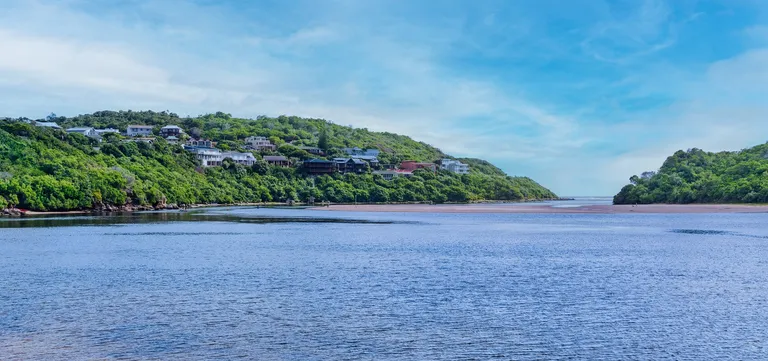
Life here revolves around water. The vast Swartvlei Lagoon is made for kayaking, SUP, fishing and birdwatching; Myoli and Cola beaches stretch mostly empty for kilometres. At low tide, Gericke’s Point opens its rock pools and caves for exploring. And on Saturday mornings the Wild Oats Community Farmers’ Market — one of the country’s best — turns the village festive with local produce, artisanal food and crafts.
Tips for visiting Sedgefield:
- Wild Oats Market: Saturdays only (summer 07:30–12:00, winter 08:00–12:00) — arrive early for the best of it; by ten the good bread had gone when we filmed there.
- Gericke’s Point: check the tide schedule first; low tide is essential for the rock pools.
- Cloud 9 Lookout: panoramic sunset spot and the local paragliding launch — bring a picnic.
- Goukamma Nature Reserve: coastal fynbos and forest trails (CapeNature).
- Mosaic Art Route: the village’s quirky open-air gallery — embrace the slow pace.
- More info: Sedgefield Tourism.
7. Knysna: Jewel of the Garden Route
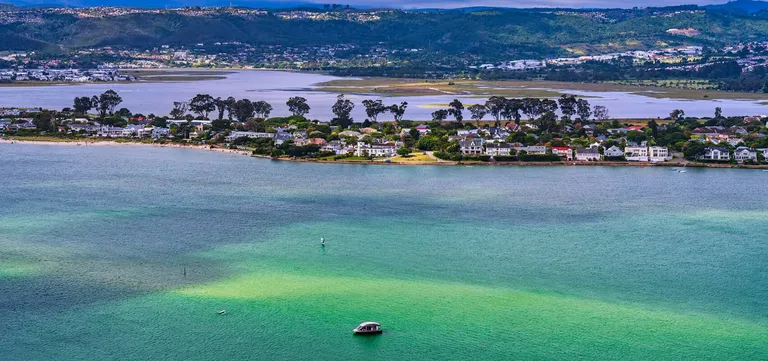
Knysna is the Garden Route’s most celebrated town, built around a huge tidal lagoon guarded by two sandstone cliffs — The Heads — where the ocean pours in through a dramatic gap. It earns the “jewel” title with its waterfront, its oysters, its forests and its ferry-borne nature reserve, and it absorbs a full day effortlessly.
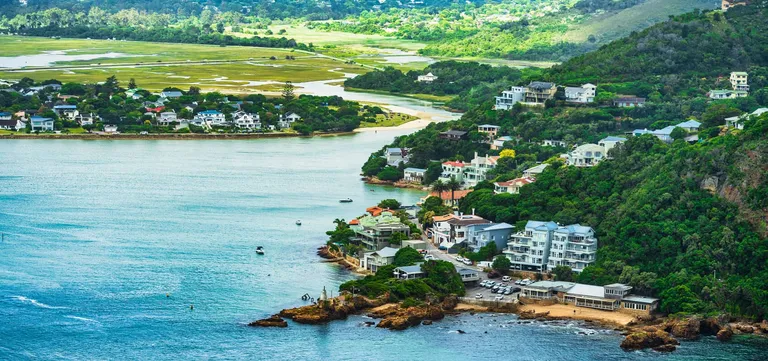
The Waterfront is the hub — restaurants, galleries and lagoon cruises. Our favourite experience here is the Featherbed Nature Reserve on the wilder Western Head: a ferry across the lagoon, a 4x4 climb, then a guided cliff-top walk with the lagoon mouth far below (lunch under the milkwoods optional — book ahead either way). The ancient Knysna forests ring the town with trails among giant trees, and the lagoon’s oyster beds supply the restaurants — July’s Oyster Festival is the town at full volume.
Tips for visiting Knysna:
- On the lagoon: cruise to The Heads, or paddle a kayak/SUP to Leisure Island for a quieter perspective.
- Featherbed: pre-book the ferry + tour; it sells out — ours was full on a midweek sailing out of season.
- East Head viewpoint: the easy, spectacular view over the lagoon mouth — drive up and walk the platforms.
- Forest walks: the “Circles in the Forest” trail is the gentle classic (park fees apply — see the fee table).
- Oysters: eat them here or not at all; ask any restaurant which are wild and which cultivated.
- Elephants: the Knysna Elephant Park offers an ethical rescued-elephant encounter nearby.
- More info: Visit Knysna.
8. Plettenberg Bay: Beaches, Hikes & Wildlife Wonders
“Plett” is the Garden Route’s polished resort town — Blue Flag beaches, a buzzing summer scene, and the route’s best marine wildlife access. Its essential experience is the Robberg Nature Reserve: a World Heritage peninsula jutting into the ocean with Stone Age caves, a Cape fur seal colony, and hiking from easy strolls to the full point circuit. In whale season (June–November) the cliffs become grandstands.
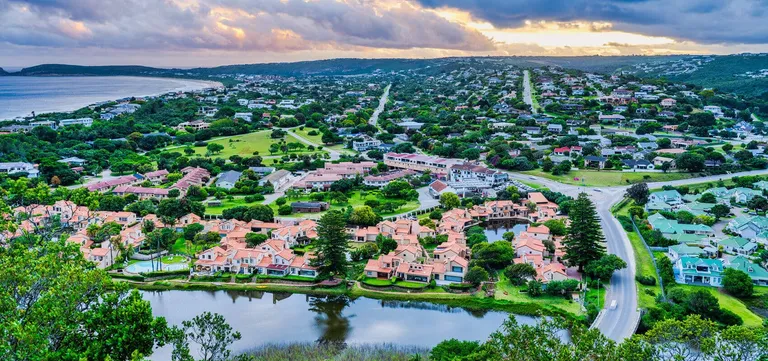
Central Beach is the launchpad for boat-based whale and dolphin watching — or braver still, guided seal snorkelling off Robberg. In The Crags, fifteen minutes east, the sanctuaries of Birds of Eden and Monkeyland make a superb half-day, especially with kids.
Tips for visiting Plettenberg Bay:
- Robberg: R75 entry (R55 children), gates 07:00–20:00 with no entry after 19:00, shortening to 07:00–18:00 from 1 October to 30 April — do at least the Gap circuit; carry water, the point circuit is exposed.
- Marine tours: book whale/dolphin boats ahead in season.
- Beaches: Robberg Beach for the long walk, Central for convenience.
- The Crags: combine Birds of Eden + Monkeyland tickets for the best value.
8a. Keurbooms River: Nature & River Activities
Ten minutes east of Plett, the Keurbooms River cuts a spectacular forested gorge protected as a CapeNature reserve — the calm-water counterpoint to Plett’s surf. Take the guided ferry 5 km upriver (with a beach stop), or hire a kayak or canoe and paddle it yourself, watching for the Knysna Turaco flashing crimson through the canopy.
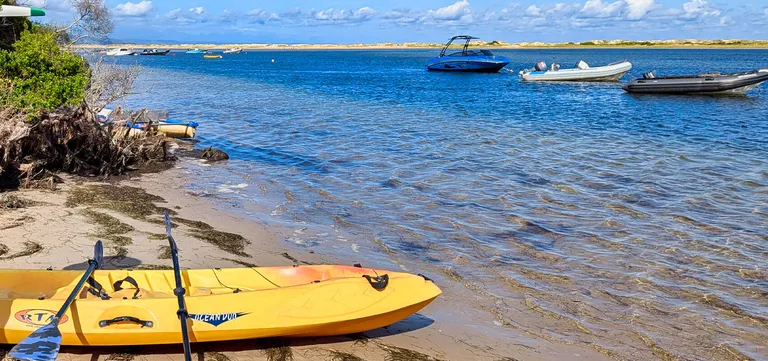
Tips for visiting Keurbooms River:
- Ferries: Keurbooms River Ferries — book ahead in season.
- Paddling: rentals near the river mouth for independent exploration.
8b. Nature’s Valley: Tranquil Village Hidden Gem
Nature’s Valley is the Garden Route’s best-kept village: a hamlet folded into the Tsitsikamma forest where a pristine beach meets the calm Groot River lagoon — swimmable, paddleable, and blissfully undeveloped. It’s also the finish line of the famous multi-day Otter Trail, so the tired grins at the beach shop are usually well-earned.
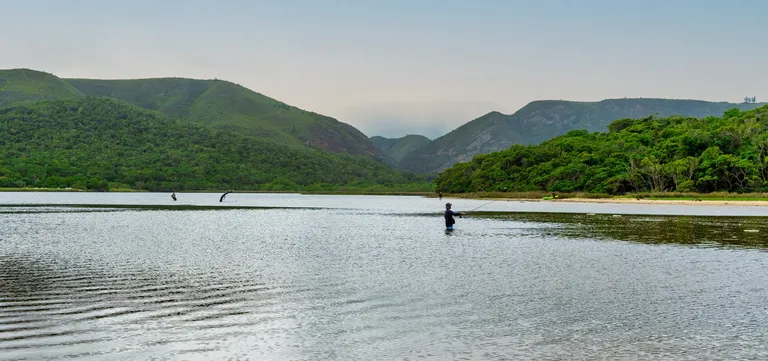
Tips for visiting Nature’s Valley:
- Beach & lagoon: safe swimming and paddling in the Groot River lagoon.
- Trails: forest walks link into the Tsitsikamma section of the national park (Nature’s Valley fees are the gentlest in the park — see the fee table).
- Come prepared: shops and restaurants are minimal — stock up in Plett.
8c. Tsitsikamma National Park: Coastal Drama & Forest Adventures
Storms River Mouth is the Garden Route’s grand finale: cliffs plunging into a churning ocean, ancient forest pouring down the gorges, and the iconic suspension bridge swaying above the river mouth. The easy 1-hour boardwalk return to the bridge is the signature walk; the Otter Trail starts here for those with five days and a permit; and the gorge itself is best met by kayak and lilo.
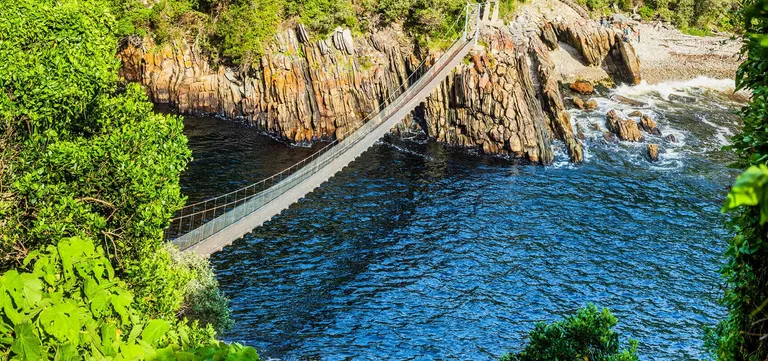
Tips for visiting Tsitsikamma:
- Suspension bridge: the must-do — go early or late to dodge tour-bus hours.
- On the water: kayak & lilo up the gorge (Untouched Adventures) or blackwater tubing (Blackwater Tubing).
- In the trees: canopy ziplining nearby (Tsitsikamma Canopy Tours).
- Fees: Storms River Mouth carries the park’s highest conservation fee — see the fee table.
8d. Bloukrans Bridge: The Ultimate Leap
Bloukrans Bridge spans a 216-metre gorge on the N2 — and holds the world’s highest commercial bridge bungee. The jump (±R1,899 with Bloukrans Bungy; book well ahead) is the Garden Route’s ultimate adrenaline moment; the guided catwalk bridge-walk beneath the road deck delivers the height and the views with your ankles unbound. There’s a viewing deck by the booking office for everyone else’s vicarious terror.
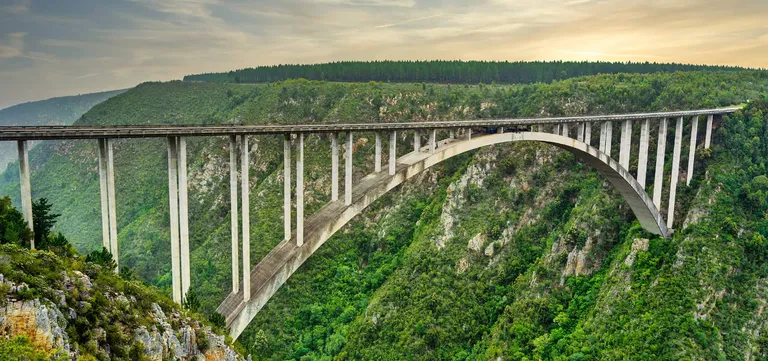
Tips for visiting Bloukrans Bridge:
- Bungee: Bloukrans Bungy — booking essential, often far in advance.
- Bridge walk: the tamer way to feel the 216 m.
- Location: right on the N2 between Nature’s Valley and Storms River — an easy stop either way.
Useful Links & Resources
- Garden Route & Klein Karoo Tourism: Official Tourism Site
- SANParks: Garden Route National Park
- CapeNature (Robberg, Goukamma, Keurbooms): CapeNature
- Storms River kayak/lilo: Untouched Adventures
- Bloukrans bungee: Bloukrans Bungy
- Canopy tours: Tsitsikamma Canopy Tours
Guide fully updated August 2026. Park fees are the official SANParks 2025/26 tariffs and Robberg is CapeNature’s published rate; the Cango Caves, zipline, bungee and Featherbed figures are indicative, as those operators publish no rates publicly. Always confirm when booking.
We hope this guide — the written companion to our film Garden Route best kept secrets, a local’s guide to hidden gems — helps you plan a journey that goes beyond the highway. Whether you’re here for hiking trails and ziplines, empty beaches, forest silence or whales breaching off the cliffs, the Garden Route delivers all of it.
Now it’s your turn: drive it slowly, stop often, and find your own favourite corner of this spectacular coastline. Happy travels!
Our Photography Portfolio
The photographs in this guide were captured while filming our Garden Route documentary. To license these images — or explore thousands more from nearly three decades behind the camera — find our portfolios on the major stock platforms:
- Shutterstock: Shutterstock Portfolio
- Adobe Stock: Adobe Stock Portfolio
- Getty Images / iStock: Getty Images Portfolio
Frequently Asked Questions
What is the Garden Route?
- The Garden Route is a roughly 300 km stretch of South Africa's southern coast between Mossel Bay and Storms River, driven on the N2 and named for its unusually green landscape of forests, lakes and mountains meeting the Indian Ocean. It's the country's most popular self-drive route, linking George, Wilderness, Sedgefield, Knysna and Plettenberg Bay, with the Tsitsikamma National Park at its eastern end.
What are the Garden Route's hidden gems?
- The ones most itineraries miss are Herold Wines above the Montagu Pass, a boutique farm with some of South Africa's highest vineyards; the Kaaimans River crossing between George and Wilderness, where mountain, forest, river and sea meet; Sedgefield, Africa's first accredited Cittaslow Slow Town; and Nature's Valley, a hamlet in the Tsitsikamma forest where a pristine beach meets the Groot River lagoon.
How many days do you recommend for the Garden Route?
- Key highlights fit into 4–5 days, but we strongly recommend 7–10 for a relaxed pace — time for the towns, the reserves, the activities, and an inland detour to Oudtshoorn without ever feeling rushed.
How far is the Garden Route from Cape Town?
- About 385 km to Mossel Bay, the route's western gateway — roughly a four-hour drive on the N2. The full run from Cape Town to Storms River Mouth is around 600 km, or six and a half hours of pure driving; most travellers break it over a week or more.
When is the best time to visit the Garden Route?
- Year-round, with trade-offs: summer (November–April) for beaches but peak crowds in December and January; winter (June–August) for quiet roads, low prices and the start of whale season; autumn and spring for the balance most returning visitors prefer.
Do you need a 4x4 on the Garden Route?
- No — the entire main route is paved and a standard car handles it comfortably. Higher clearance only becomes useful on optional gravel adventures like the Seven Passes Road or the Swartberg Pass beyond Oudtshoorn.
What do Garden Route attractions cost?
- The landscapes are mostly free; the paid entries are the national park sections (R51–R82 per day for South Africans, R165–R367 for international visitors, per the official 2025/26 SANParks tariffs) and the big adventures like the Cango Caves, the Mossel Bay zipline (R800) and the Bloukrans bungee (around R1,899). Carry some cash for smaller gates and stalls.
What are your top safety tips for driving the Garden Route?
- Don't drive at night — that's the non-negotiable one. Drive on the left, keep doors locked and valuables in the boot before you arrive anywhere, stick to main numbered roads rather than GPS shortcuts, and download offline maps because signal vanishes in the mountains and forests.
Do we need to book accommodation and activities in advance?
- Yes for accommodation in peak season (December–January), school holidays and weekends. Pre-booking is also strongly advised or essential for Cango Caves tours, the Featherbed experience, whale-watching boats in season, and the Bloukrans bungee. Booking directly with small guesthouses and operators often gets you a more personal experience.
Is a detour to Oudtshoorn worth it?
- Yes, if you have the time — it means adding a full day and an overnight, since it lies inland over the mountains. The reward is the Cango Caves, the ostrich farms, and the complete scenery change of the Klein Karoo.