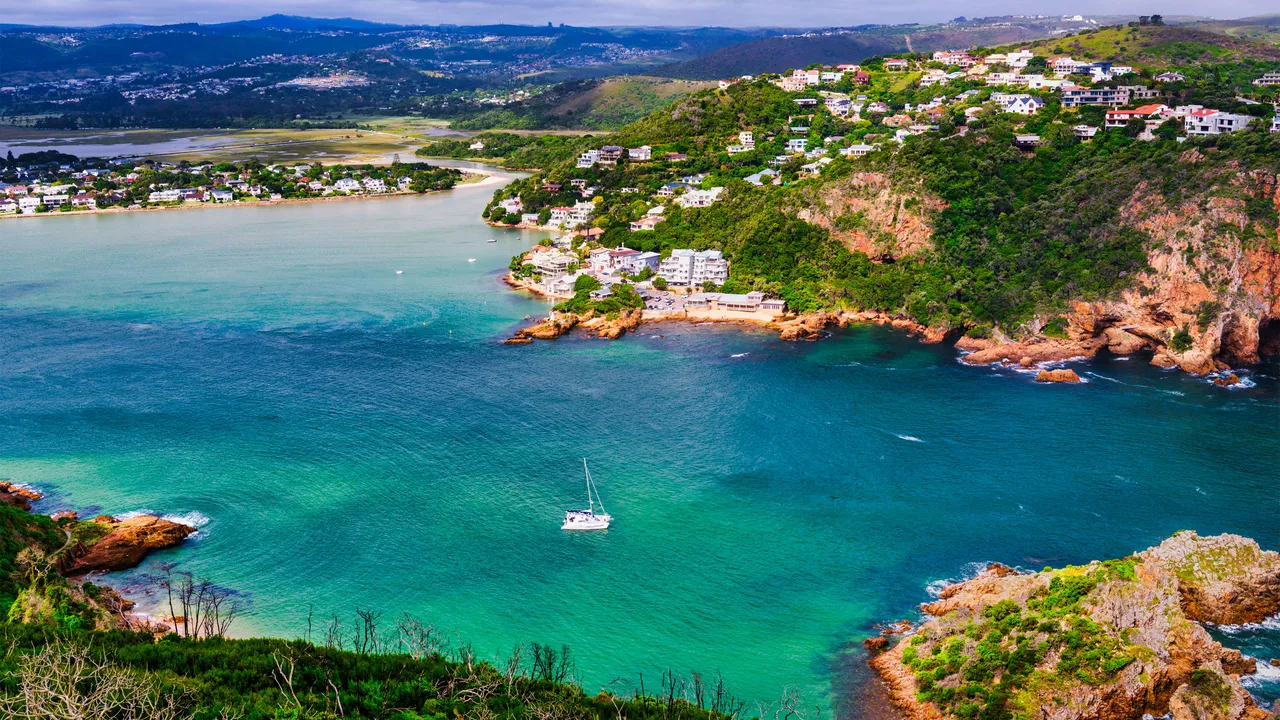
Cape Town, South Africa: A Local's Guide to the Icons, Secret Spots & Hidden Gems
Table Mountain to the Winelands — verified fees, drive times, and the hidden gems from our film.
GeoParallaxFilmed & written on locationCape Town: Local Insight on Iconic Sights & Hidden Gems
Cape Town's icons and hidden gems — Table Mountain, the V&A Waterfront, the Atlantic Seaboard, the Cape Peninsula, Bo-Kaap, Constantia, Kirstenbosch and the Cape Winelands, ending on Clarence Drive to Hermanus — filmed on location.
Cape Town packs mountain, coastline and winelands into one city: the cable car up Table Mountain, the Atlantic beaches, the penguins at Boulders, Bo-Kaap’s painted streets and the Constantia vineyards. After filming the city across its seasons for GeoParallax, we’ve gathered the top things to do in Cape Town — with verified fees, hours and the free ones marked, plus the hidden gems most visitors miss.
The city is malaria-free, easy to navigate, and rewards both a two-day highlights sprint and a lazy week. Below: how far everything is, what it costs (verified fees), when to come — then every area from the mountain to the Whale Coast, including the hidden gems from our film.
Table of Contents
- How far is everything in Cape Town? (Distances & drive times)
- What do Cape Town attractions cost? (Fees, verified)
- How many days do you need in Cape Town?
- When is the best time to visit Cape Town?
- Where to watch the sunset in Cape Town
- Is Cape Town safe for tourists?
- Hidden gems in Cape Town: the quiet places from our film
- 1. Table Mountain: Cape Town’s Unmissable Icon
- 2. V&A Waterfront: The Harbour Playground
- 3. Atlantic Seaboard: Cape Town’s Riviera
- 4. Cape Peninsula: The Full-Day Coastal Loop
- 5. City Bowl & Bo-Kaap: The Vibrant Heart
- 6. Constantia & Kirstenbosch: Wine and Gardens Under the Mountain
- 7. Cape Winelands Day Trip: Vineyards, History & Luxury
- 8. R44 Clarence Drive: Gordon’s Bay to the Whale Coast
- 9. Robben Island: The Prison Island
- Frequently Asked Questions
- Useful Links & Resources
- Our Photography Portfolio
How far is everything in Cape Town? (Distances & drive times)
Cape Town is compact at its heart and sprawling at its edges: the mountain, harbour and city centre sit within minutes of each other, while the Peninsula, the Winelands and the Whale Coast are self-contained day trips. Distances below are from the city centre unless stated.
| Route | Distance | Driving time* |
|---|---|---|
| Airport → City centre | ±20 km | ±0 h 25 |
| City centre → Table Mountain Cableway | ±7 km | ±0 h 15 |
| City centre → Camps Bay | ±9 km | ±0 h 15 |
| City centre → Kirstenbosch | ±11 km | ±0 h 20 |
| City centre → Constantia estates | ±16 km | ±0 h 20 |
| City centre → Hout Bay | ±20 km | ±0 h 30 |
| Hout Bay → Noordhoek (Chapman’s Peak Drive, toll) | ±9 km | ±0 h 15 |
| City centre → Muizenberg | ±25 km | ±0 h 30 |
| City centre → Simon’s Town & Boulders Beach | ±38 km | ±0 h 45 |
| City centre → Cape Point | ±65 km | ±1 h 15 |
| City centre → Stellenbosch | ±50 km | ±0 h 50 |
| City centre → Franschhoek | ±75 km | ±1 h 05 |
| City centre → Gordon’s Bay (start of Clarence Drive) | ±55 km | ±0 h 45 |
| Gordon’s Bay → Hermanus (R44 Clarence Drive) | ±90 km | ±1 h 30 |
*Approximate, without stops or traffic — Cape Town’s rush hours are real; plan Peninsula and Winelands days to start early.
What do Cape Town attractions cost? (Fees, verified)
Much of the best of Cape Town is free — the beaches, the promenade, Bo-Kaap’s streets, the sunset from Signal Hill. The paid entries are the icons: R475 return on the Table Mountain cableway booked online, R400 for South Africans and R600 for international visitors on the Robben Island ferry and tour, and conservation fees at Cape Point and Boulders that are tiered by nationality. The current rates:
| Attraction | Fee (adults) | Fee (children) | Notes |
|---|---|---|---|
| Table Mountain Aerial Cableway | R475 return (online) | R230 | Cheaper online than at the gate; weather-dependent |
| Cape Point / Cape of Good Hope (SANParks) | R110 (SA) · R225 (SADC) · R515 (intl.) | R55 (SA) · R115 (SADC) · R250 (intl.) | Daily conservation fee |
| Flying Dutchman Funicular (Cape Point) | R110 | R55 | Reopens 1 Sep 2026 after maintenance; tickets sold only at the Cape Point ticket office, not online |
| Boulders Beach penguin colony (SANParks) | R55 (SA) · R110 (SADC) · R245 (intl.) | R26 (SA) · R55 (SADC) · R120 (intl.) | Daily conservation fee |
| Chapman’s Peak Drive toll | R68 per light vehicle, each way | — | Incl. VAT; official standard tariff; check the road is open |
| Robben Island (ferry + tour) | R400 (SA) / R600 (intl.) | R210 (SA) / R310 (intl.), under 18 | ±3.5 h from the Nelson Mandela Gateway; book well ahead |
| Kirstenbosch National Botanical Garden | R110 (SA/SADC) / ±R270 (intl.) | R40 (6–17) | Cashless; hours 08:00–19:00 summer, –18:00 winter |
| Zeitz MOCAA | R265 | Under-18s free | Free for African citizens on Wednesdays, 10:00–13:00 |
| Two Oceans Aquarium | R280 | R210 (14–17) · R130 (4–13) · under-4 free | Open 09:30–18:00; book online for the best rates |
SANParks conservation fees are the official 1 November 2025 – 31 October 2026 tariffs. Chapman’s Peak (R68 per light vehicle, per direction, incl. VAT) is the operator’s standard tariff effective 1 July 2024. Robben Island, Kirstenbosch, Zeitz MOCAA, Two Oceans Aquarium and the Cape Point funicular were verified against operator listings on 23 August 2026; the Table Mountain Cableway fare is the operator’s published online rate and was not re-confirmed on that date. Fees change annually — treat these as planning figures and confirm when booking.
One practical money note: Cape Town is card-friendly almost everywhere — including cashless Kirstenbosch — but carry a little cash (ZAR) for informal parking attendants (R5–R20 is customary) and market stalls.
How many days do you need in Cape Town?
The icons fit into 2–3 focused days, but we recommend 4–6. A rhythm that works: one day for Table Mountain and the City Bowl, one full day for the Cape Peninsula loop, one for Constantia or the Winelands, and the rest unscheduled — for beaches, Kirstenbosch, and the weather.
Leave the slack deliberately: the mountain decides its own visiting hours and the wind writes its own itinerary, and we lost days to both while filming. With a week, add the R44 Clarence Drive day to Hermanus. The most common mistake we see is treating Cape Town as a two-day stopover before a safari: this city is the destination.
When is the best time to visit Cape Town?
Cape Town works year-round; the seasons trade beach weather against crowds, wind and whales. Summer (December–March) is warm, dry and at its busiest over Christmas and New Year. Winter (June–August) is the green season, with rain in spells and the start of whale season. Spring (September–November) may be the connoisseur’s choice — wildflowers, peak whale watching, and Kirstenbosch in full bloom.
Summer is also when the famous south-easterly “Cape Doctor” blows hardest, clearing the air and dressing Table Mountain in its tablecloth of cloud. Winter’s compensation is the light: rain arrives between clear, still days that are the year’s best for photography, and the stillest of them gave us some of our best mountain footage.
- Summer (Dec–Mar): beach-perfect; peak crowds and prices around Dec/Jan; wind strongest — Clifton’s coves offer the most shelter. February–March keep the weather and lose the crowds.
- Winter (Jun–Aug): quiet, green and cheaper; rain in spells; whales arrive June/July. Still days are superb for the mountain and the Winelands.
- Spring & Autumn: the shoulder sweet spots — mild weather, thinner crowds, and in spring, wildflowers plus peak whales.
Where to watch the sunset in Cape Town
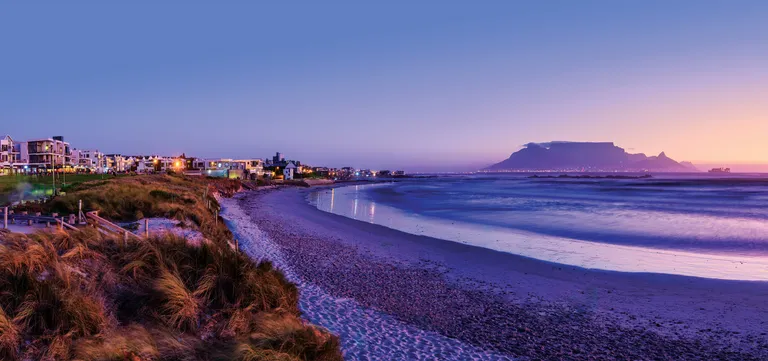
The best sunset spots in Cape Town face the Atlantic: Signal Hill for the classic city panorama, Camps Bay and Clifton from the sand, the lookouts along Chapman’s Peak Drive, and Bloubergstrand for the postcard view of Table Mountain turning gold across the bay. In midsummer the sun sets close to 20:00; in midwinter before 18:00.
Is Cape Town safe for tourists?
Yes — with the standard South African city rules applied consistently. Stay aware of your surroundings, keep valuables out of sight and stow them in the boot before you park, and prefer rideshare or your car to walking quiet streets after dark. We drove rather than walked after dark on every shoot, and never had a problem.
On the mountain: never hike alone, check the summit weather before you commit, and carry water, layers and a charged phone — conditions change fast (TMNP emergency: 086 110 6417). On the Peninsula: the baboons are wild animals that associate people with food — never feed them, and keep windows up and doors locked where they roam.
Nationwide emergency numbers: Police 10111 · Ambulance 10177 · From any mobile 112.
Hidden gems in Cape Town: the quiet places from our film
Cape Town’s best hidden gems sit between the icons: Smitswinkel Bay’s off-grid cove, Beta Beach at Bakoven, Kogel Bay and Rooi-Els on the far side of False Bay, and the Constantia estates — Constantia Glen and Buitenverwachting — that the tour buses pass. Each is covered in its own section below, beside the icon it hides behind.
- Smitswinkel Bay — a secluded beach below Swartkop Peak near Simon’s Town, reached only by a short scenic hike.
- Beta Beach, Bakoven — a tiny sheltered cove among granite boulders, minutes from Camps Bay and missed by nearly everyone.
- Constantia Glen — a family-run boutique estate on Constantia Nek that few international visitors ever find.
- Buitenverwachting — “Beyond Expectation”: picnics and refined dining on one of Constantia’s most beautiful farms.
- Kogel Bay — a wild, dramatic beach on Clarence Drive with cliffs rising straight from the sand.
- Rooi-Els — a tranquil village and lagoon at the foot of Klein-Hangklip, beloved by birders.
1. Table Mountain: Cape Town’s Unmissable Icon
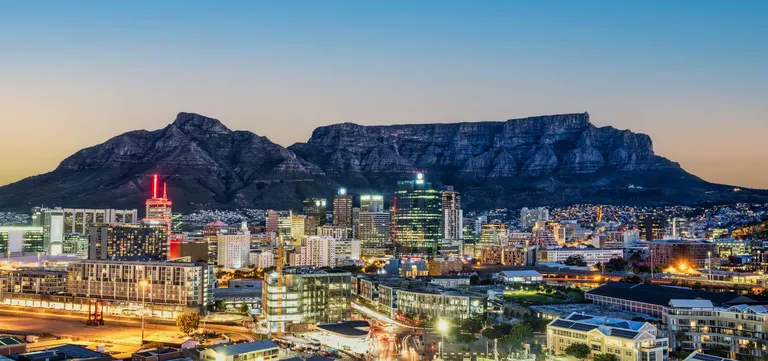
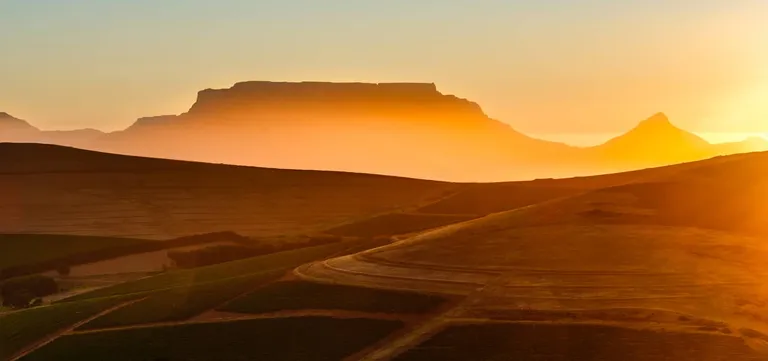
Table Mountain is the city’s compass, weather-maker and soul — a flat-topped massif rising over a kilometre straight out of the city, one of the New 7 Wonders of Nature and part of a UNESCO World Heritage Site. You feel its presence everywhere in the Mother City, and no visit is complete without standing on top of it. Plan half a day, and let the weather choose which half.
Nature & Geology
Beyond the dramatic silhouette, the mountain is a biodiversity hotspot within Table Mountain National Park: unique fynbos of the Cape Floral Kingdom, thousands of plant species, and the ever-present dassie — the small rock hyrax that rules the summit boulders.
Reaching the Summit: Cable Car vs. Hike
- Table Mountain Aerial Cableway: the classic route up — about five minutes in rotating cars with 360° views. R475 return online for adults (2026; cheaper than the ticket office). Operations are weather-dependent, especially in wind: check the official site the morning you plan to ride, and book online to skip the queue. We were turned back by wind ourselves — the cars simply don’t run until it drops.
- Hiking trails: Platteklip Gorge is the direct, strenuous classic (2–3 hours of rock steps); Skeleton Gorge climbs through shaded forest from Kirstenbosch (ladders and scrambling, 3.5–5 hours); India Venster is spectacular but technical — experienced scramblers only. Guided hikes are worth it for both safety and the botany underfoot.
On Top of the World
The summit plateau offers panoramas over the city, the harbour, Robben Island and the Peninsula. Walk the maintained pathways, join a free guided walk from the Upper Cable Station, or head for Maclear’s Beacon, the true highest point. Thrill-seekers can book the abseil; everyone else can simply order coffee with the best view in Africa.
Safety on the Mountain
Respect the weather — it changes faster than any forecast suggests. Never hike alone (groups of four or more), tell someone your route and timing, carry two litres of water per person, wear layers with something waterproof, and stay on marked paths. Check the summit forecast specifically, not the city’s.
Best Views of the Mountain
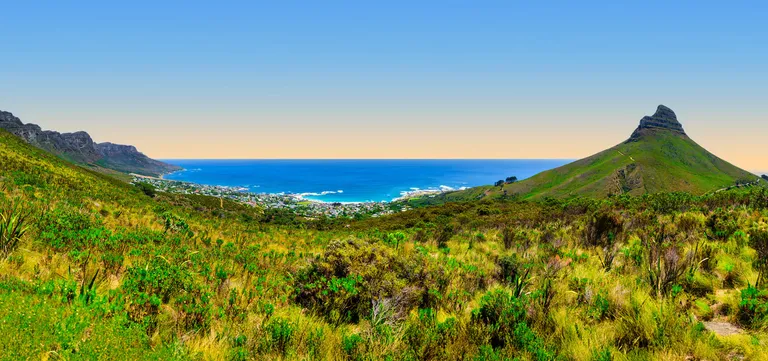
For photographs of the mountain itself, head to Signal Hill or Lion’s Head — Signal Hill’s sunset picnics are a Cape Town institution, with tandem paragliders drifting off the slope above the Atlantic. And the classic postcard angle — Table Mountain across the full sweep of the bay — belongs to Bloubergstrand, the beach suburb north of the city where the mountain poses behind kilometres of ocean.
Important links: Table Mountain Aerial Cableway · Table Mountain National Park (SANParks) · SANParks hiking safety
2. V&A Waterfront: The Harbour Playground
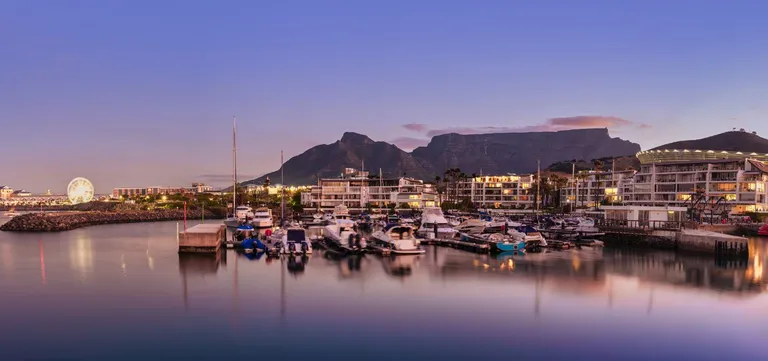
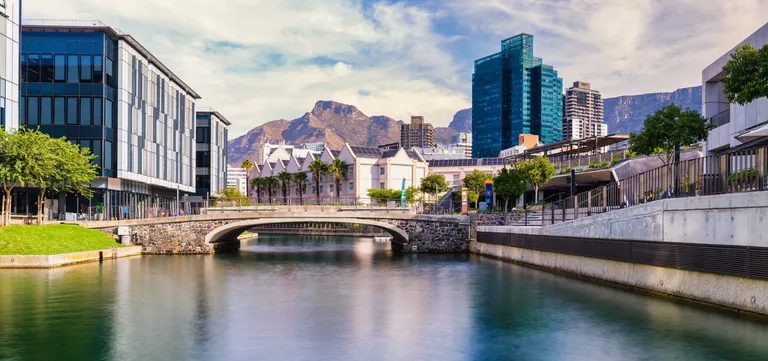
The Victoria & Alfred Waterfront is Cape Town’s most visited destination for good reason: a working harbour dating to 1654, reimagined as a neighbourhood of shopping, museums, restaurants and boat trips — all with Table Mountain photobombing every angle. It absorbs anything from two hours to a full day, and it’s an easy 15-minute walk from the city centre.
A Historic Harbour Reimagined
South Africa’s oldest working harbour still works: fishing boats, dry docks, and the resident Cape fur seals hauling out on wooden platforms built specially for them in the marina — one of the Waterfront’s best free shows.
Shopping: Global Brands to Local Craft
The Victoria Wharf centre houses over 450 stores; for meaningful souvenirs skip it for The Watershed, where more than 150 African makers sell design, craft and art. The Alfred Mall and Clock Tower precincts hold the boutiques.
Top Attractions
- Two Oceans Aquarium: world-class marine life from the Atlantic and Indian Oceans — kelp forests, sharks and penguins, with a strong conservation story. R280 for adults, open 09:30–18:00.
- Zeitz MOCAA: the world’s largest museum of contemporary African art, inside a spectacularly re-carved grain silo — the architecture alone justifies the R265 ticket. Under-18s enter free, and African citizens enter free on Wednesdays between 10:00 and 13:00.
- Robben Island ferry: the boat to Nelson Mandela’s island prison departs from the Nelson Mandela Gateway here — a 3.5-hour tour, covered in its own section below. Book well in advance.
- The Cape Wheel: a 50-metre observation wheel with panoramic views of harbour, city and mountain.
- Boat trips & entertainment: sunset cruises, harbour tours, seal-watching trips, street performers and the outdoor amphitheatre’s free shows.
Practical Notes
Getting there is easy: a 15-minute walk from the centre, MyCiTi buses, or the hop-on-hop-off bus (Stop 1); parking is ample and paid. Core shopping hours run 09:00–21:00 daily; attraction hours vary — check the official site. The precinct is well-patrolled and among the safest places in the city; normal pickpocket awareness applies.
Essential links: V&A Waterfront · Two Oceans Aquarium · Zeitz MOCAA · Robben Island Museum · The Cape Wheel
3. Atlantic Seaboard: Cape Town’s Riviera
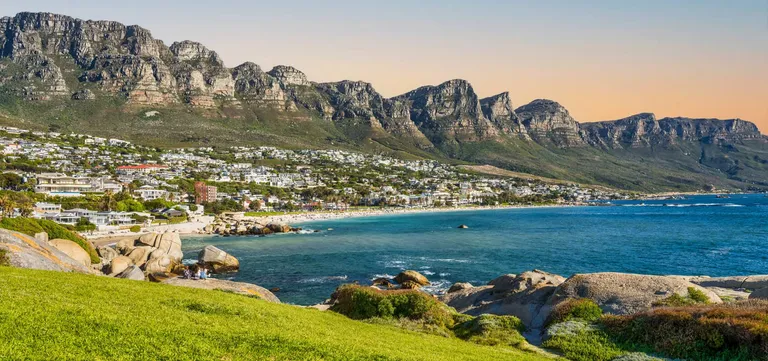
The Atlantic Seaboard is where the Twelve Apostles fall into the ocean and Cape Town shows off — a string of beach suburbs along Victoria Road with white sand, granite boulders, cold turquoise water and the city’s most theatrical sunsets. Come for a beach day, stay for the evening: sundowners here are a ritual, not an option.
Along the Coastline
- Green Point & Mouille Point: the stadium, the urban park, and the lighthouse promenade.
- Sea Point: the locals’ seaboard — kilometres of promenade for walking, jogging and people-watching, plus the Pavilion’s filtered-seawater pools.
- Clifton: four celebrated coves divided by granite boulders; Clifton 4th holds Blue Flag status and the most shelter when the south-easter blows.
- Camps Bay: the palm-lined showpiece beneath the Twelve Apostles, its strip of restaurants and bars built for sunset; a tidal pool offers calmer swimming.
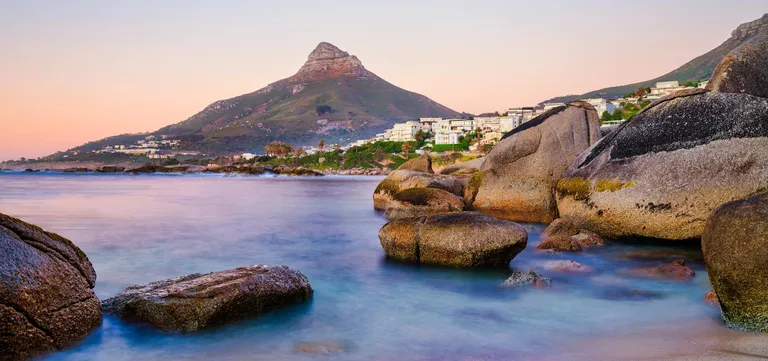
- Hidden Gem — Bakoven & Beta Beach: just south of Camps Bay, the quiet residential pocket of Bakoven hides tiny Beta Beach, a sheltered cove between boulders with front-row Apostle views — a local secret in plain sight.
- Llandudno: the remote, exclusive cove favoured by surfers; beautiful, with limited parking and no shops.
Activities & Sunsets
Hike the Pipe Track or Kasteelspoort for Apostle-level views, paddle a SUP or kayak on calm mornings, or launch a tandem paraglide from Signal Hill. Then claim your sunset: beach towel, viewpoint or cocktail bar — the sun sinking into the Atlantic is the Seaboard’s nightly main event.
Practical Tips
The Atlantic is cold year-round — the tidal pools at Sea Point and Camps Bay are the friendlier swim. Parking near Clifton and Camps Bay is scarce in season; MyCiTi buses and rideshare solve it. Summer afternoons bring the Cape Doctor: Clifton 4th offers the best shelter.
Helpful links: Atlantic Seaboard (Cape Town Tourism) · Sea Point Pavilion pools
4. Cape Peninsula: The Full-Day Coastal Loop
The Cape Peninsula drive is one of the world’s great day trips: a loop along Cape Town’s southern fringes where mountains meet two seas, penguins waddle between granite boulders, and the road itself — Chapman’s Peak Drive — is an attraction. Dedicate a full day (8–9 hours) and drive it clockwise, starting on the False Bay side.
The False Bay Side
Begin at Muizenberg, where gentle Indian Ocean waves at Surfer’s Corner and the Victorian bathing boxes set the tone; neighbouring St James adds its own painted huts and a child-friendly tidal pool. Kalk Bay follows — a bohemian harbour village of galleries, antique shops and fish lunches — then historic Simon’s Town, South Africa’s naval base since the Victorian era, its main street a museum of maritime architecture.
Boulders Beach: The Penguins
Just beyond Simon’s Town, Boulders Beach shelters a colony of endangered African penguins — the only place on earth where you can swim at a beach they call home. Wooden walkways bring you eye-to-eye with the colony (conservation fee applies — see the fee table); keep your distance, and never touch or feed them.
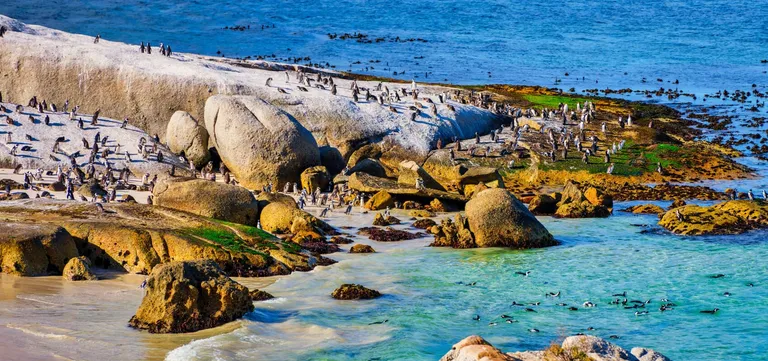
Hidden Gem: Smitswinkel Bay
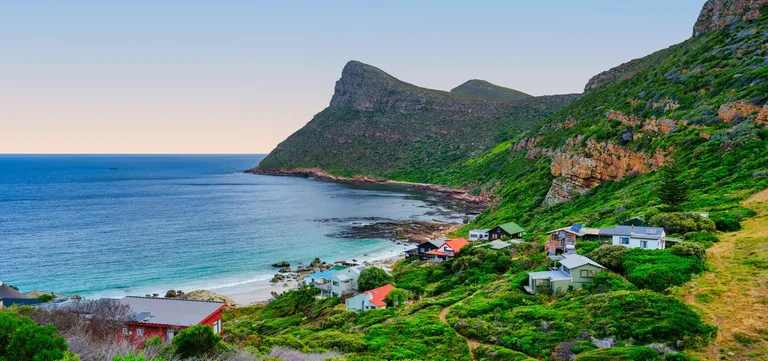
Five minutes past Simon’s Town, under Swartkop Peak, Smitswinkel Bay is the Peninsula’s secret: a hamlet-fringed beach with no road access — a short, scenic hike down is the only way in. The reward is calm water, rock pools, and near-solitude; divers and snorkellers can explore the reef offshore.
Cape Point: Edge of the Continent
The climax is the Cape of Good Hope section of Table Mountain National Park — wild fynbos cliffs, ostriches, antelope, zebra and opportunist baboons (never feed them; keep the car locked and windows up — one opened an unlatched door on us while we were filming). Ride or hike to the old lighthouse — the Flying Dutchman Funicular reopens 1 September 2026 after maintenance, and its tickets are sold only at the Cape Point ticket office, never online — walk down to the Cape of Good Hope itself, Africa’s south-western tip, and allow a few unhurried hours. Conservation fees apply (see the fee table).
The Atlantic Return: Chapman’s Peak & Noordhoek
The return leg crowns the day: Chapman’s Peak Drive, 9 km and 114 curves carved into the cliff face between Noordhoek and Hout Bay (R68 per light vehicle, each way; check it’s open before you rely on it). Pause at Noordhoek first — a long white beach made for horseback rides and slow walks, with a village of galleries and farm stalls behind it.
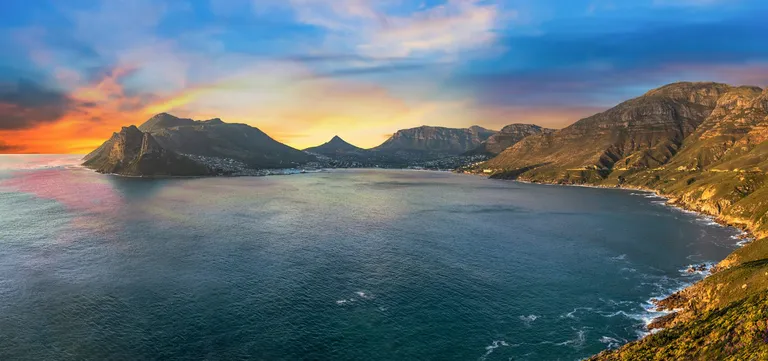
Hout Bay: The Fishing Village
Hout Bay deserves more than a drive-through. Its name — “wood bay” — dates to 1652, when the forests of yellowwood here supplied Dutch shipbuilders, and the town has kept its working-harbour soul ever since: fishing boats, a busy quayside, and the freshest fish and chips in Cape Town at local institutions like Snoekies and Fish on the Rocks. From the harbour, boat trips run to Duiker Island, where thousands of Cape fur seals crowd the rocks — one of the coast’s great wildlife spectacles, twenty minutes from the city’s glamour beaches.
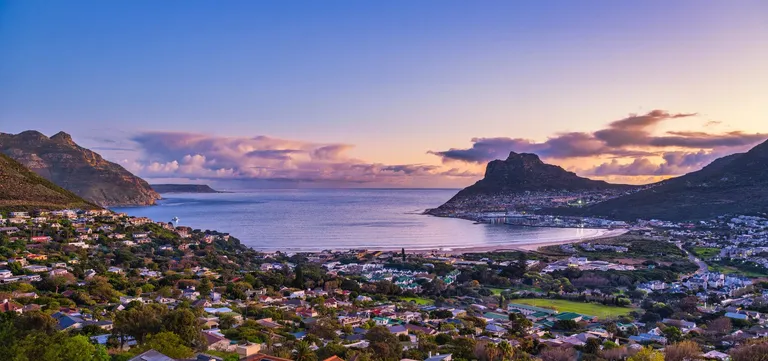
Tips for the Peninsula
Start early, fuel up in Simon’s Town, carry park fees and toll money, lock the car at every viewpoint, and be off the mountain roads before dark. The baboon rule is absolute: they are wild, clever, and dangerous around food.
Helpful links: Table Mountain National Park (SANParks) · Cape Point · Boulders penguin colony · Chapman’s Peak Drive
5. City Bowl & Bo-Kaap: The Vibrant Heart
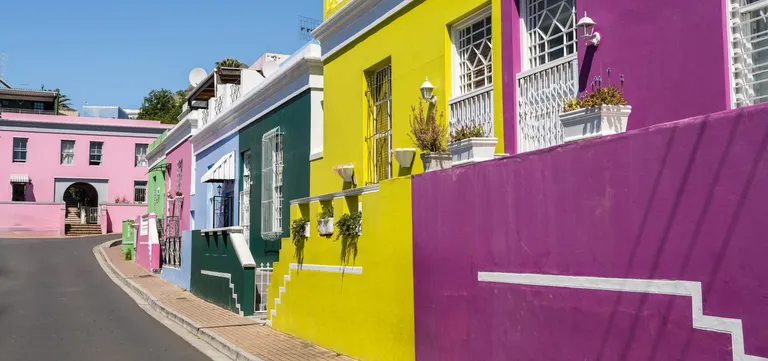
The City Bowl is Cape Town’s natural amphitheatre — the historic centre cupped by Table Mountain, Devil’s Peak, Lion’s Head and Signal Hill, running from the harbour to the Company’s Garden. It holds the city’s oldest streets, its best museums, its buzzing food scene — and, on the slopes of Signal Hill, the most photographed neighbourhood in South Africa.
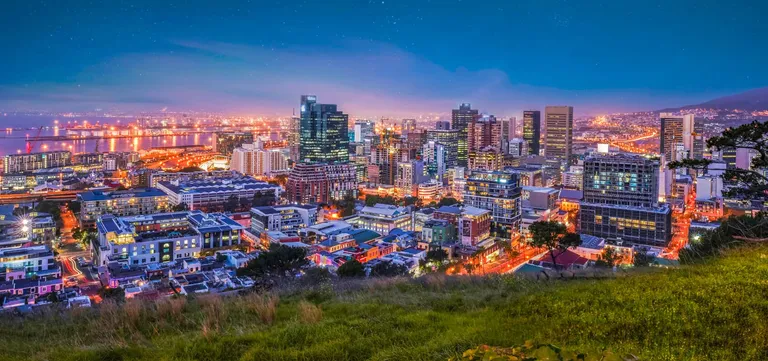
Bo-Kaap, the former Malay Quarter, climbs Signal Hill in rows of brilliantly coloured houses along steep cobblestone streets — the living heart of Cape Malay culture, its cuisine and its history. Remember these are homes: photograph the streets freely, but ask before photographing people, and keep the noise down near the mosques.
Highlights Not to Miss
- Bo-Kaap wander: Chiappini and Rose Streets for the classic colours; the Bo-Kaap Museum for the story behind them.
- Cape Malay flavours: Bo-Kaap Kombuis or Biesmiellah for the real thing; Atlas Trading Company on Wale Street for the spices.
- Company’s Garden: the green heart of the old city, laid out by the first Dutch settlers.
- District Six Museum: essential, moving history of the neighbourhood destroyed under apartheid.
- Lion’s Head & Signal Hill: the sunset hikes and picnic spots with the City Bowl at your feet.
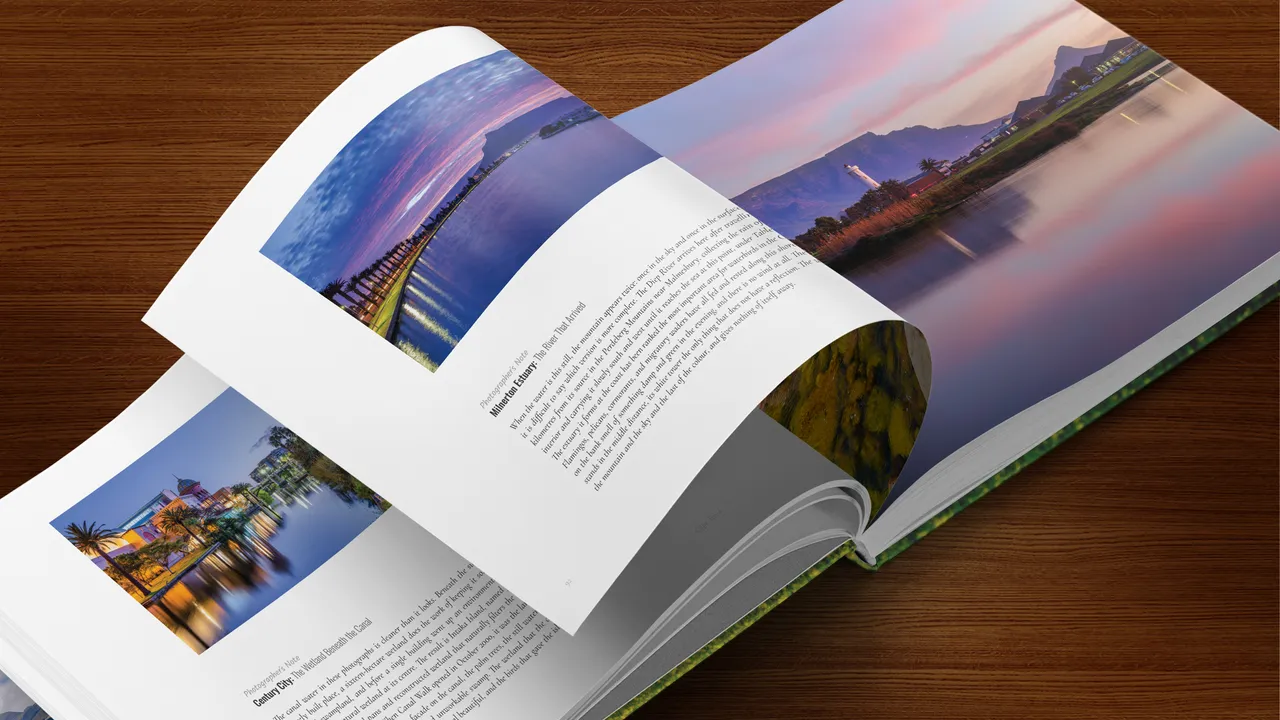
A modern footnote ten minutes up the highway: Century City, the canal-side district built around Canal Walk — one of Africa’s largest malls, with more than 400 stores, Venetian-inspired architecture and even canoe rides on the waterways. It’s not old Cape Town, but for a rainy-day plan or serious shopping it earns its place, and MyCiTi buses run there directly.
Helpful Tips
The City Bowl is walkable by day; use rideshare rather than hunting parking in Bo-Kaap’s narrow streets, visit in daylight for the colours, and apply normal city-evening caution after dark.
Helpful links: Cape Town attractions · Bo-Kaap Museum (Iziko) · District Six Museum · Table Mountain NP trails
6. Constantia & Kirstenbosch: Wine and Gardens Under the Mountain
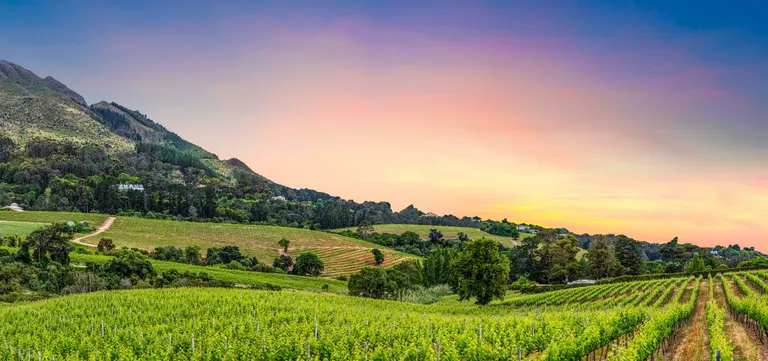
Eighteen minutes from the city centre, the Constantia Valley is the birthplace of South African wine — vines since 1685 on the cool eastern slopes of the mountain, granite soils and sea breezes producing celebrated Sauvignon Blanc and the legendary sweet Vin de Constance that Europe’s courts once fought over. It’s also where our film found two of its favourite hidden gems.
The Estates
- Groot Constantia: the original — South Africa’s oldest wine estate, with the Cape Dutch manor house (an Iziko museum), the historic Cloete Cellar, and two restaurants.
- Klein Constantia: home of the revived Vin de Constance; tasting it is a pilgrimage moment. Elegant Sauvignon Blanc too. Book ahead.
- Hidden Gem — Buitenverwachting: “Beyond Expectation” — garden picnics (book ahead), refined dining and renowned Sauvignon Blanc on one of the valley’s most beautiful farms.
- Hidden Gem — Constantia Glen: a family-run boutique estate high on Constantia Nek, pouring cool-climate Sauvignon Blanc and Bordeaux-style blends to a terrace of locals — few international visitors ever find it. Check hours before driving up.
- Steenberg: the Cape’s first registered farm (1682), now wine, bubbly, golf, spa and two of the southern suburbs’ best restaurants.
- Beau Constantia: modern architecture, dramatic views from the top of the Nek, and the acclaimed Chefs Warehouse tapas.
Kirstenbosch National Botanical Garden
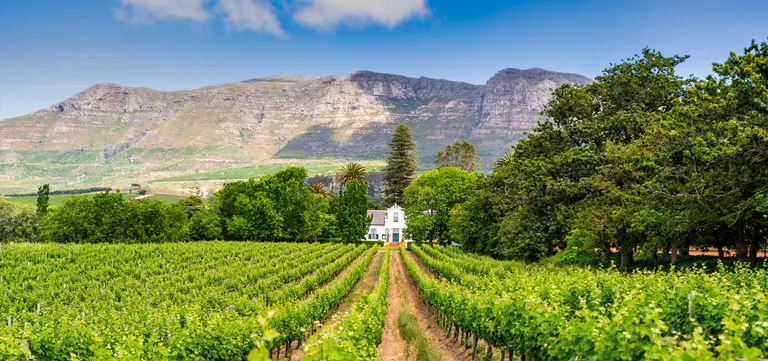
Adjoining the valley on the mountain’s eastern slopes, Kirstenbosch is one of the world’s great botanical gardens — a UNESCO-listed showcase devoted to South Africa’s indigenous flora, from fynbos and proteas to cycads and forest. Walk the Boomslang canopy walkway for treetop views of garden and mountains, picnic on the lawns, or start the Skeleton Gorge hike from the top gates. Spring (September–November) is peak bloom; summer Sundays bring open-air concerts. Open daily 08:00–19:00 in summer, to 18:00 in winter; fees in the table above — and it’s cashless, so bring a card; we watched a family turned away at the gate for carrying only notes.
Planning Your Constantia Visit
Book tastings and restaurants ahead — weekends especially. Plan transport before you plan tastings: designated driver, guided tour, or the hop-on-hop-off wine route. Two or three estates with a long lunch is the right pace; combine with Kirstenbosch or a Cecilia Forest walk to make the day complete.
7. Cape Winelands Day Trip: Vineyards, History & Luxury
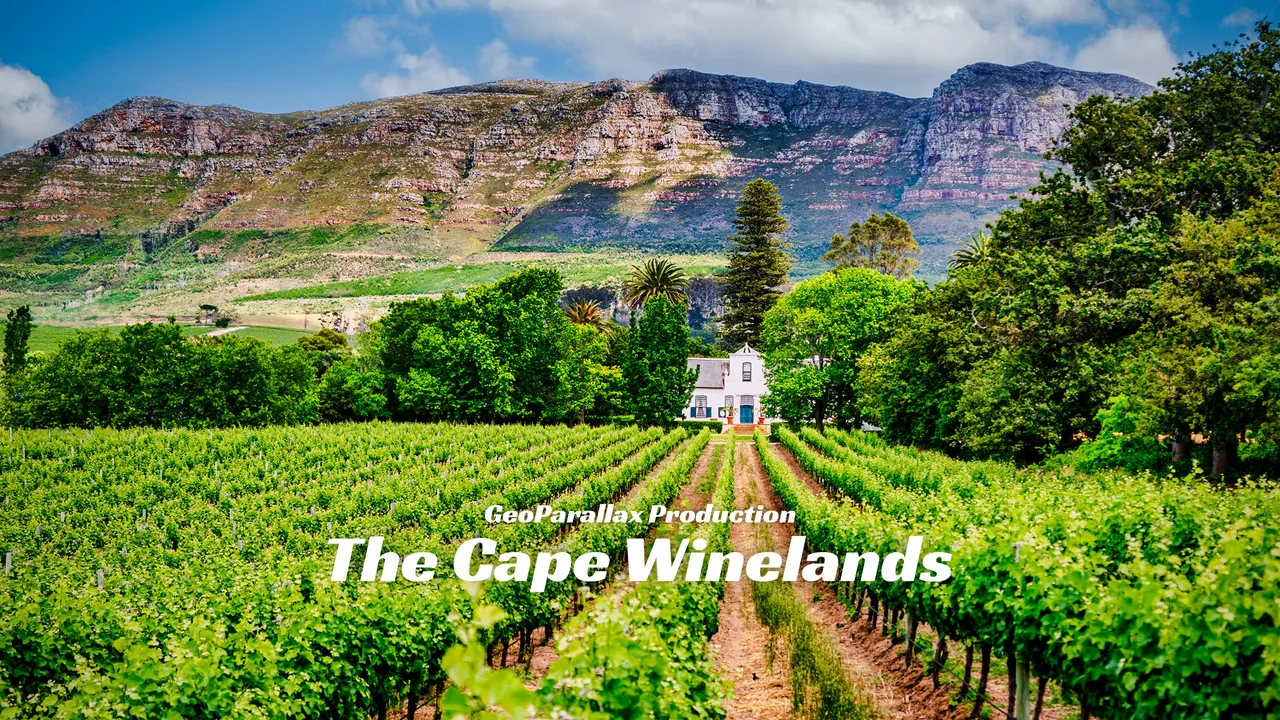
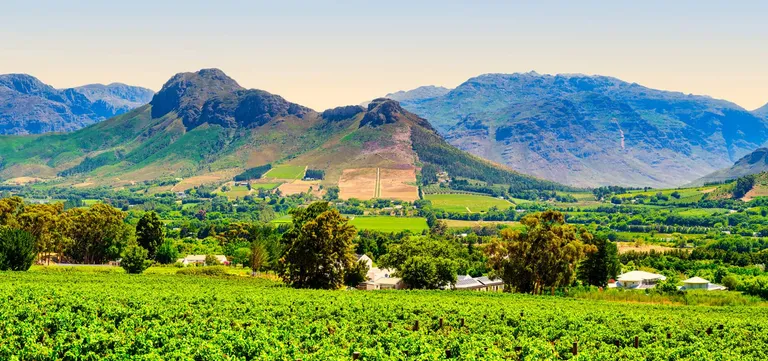
An hour northeast of the city, the greater Cape Winelands unfold — Stellenbosch, Franschhoek and their mountain-ringed valleys of vines and 300-year-old Cape Dutch farmsteads. It’s a full-day trip (or better, an overnight), and these are the estates our film visited:
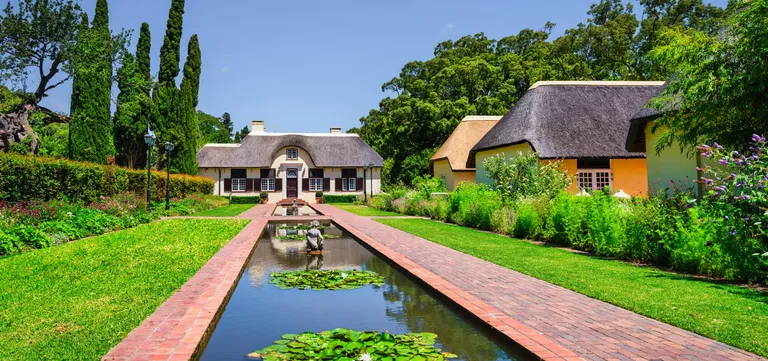
- Delaire Graff: Cape Dutch architecture, 360° panoramas, an art collection of over 400 pieces, lodges with private pools, and two exceptional restaurants — the Winelands at their most polished.
- Neethlingshof: vines since 1692, sustainable and vegan-friendly winemaking, and a place in history — Nelson Mandela attended a charity dinner here in 1991. Lunch at the Salt Road restaurant; Asara and Spier are neighbours on the same road.
- Babylonstoren: the Franschhoek farm whose 3.5-hectare garden — fifteen themed sections, from berry gardens to a prickly-pear maze — has become a destination in itself. Farm-to-table dining at the Greenhouse, farm stores, and award-winning wines.
- Vergelegen: “far away” — a meticulously restored 1700 estate of camphor trees three centuries old, a governor’s library, fountain gardens and unhurried, historic calm.
Planning the Winelands
Stellenbosch and Franschhoek are about an hour’s drive; with tastings involved, arrange a designated driver or a tour. Book restaurants well ahead — the famous ones fill weeks out in season.
8. R44 Clarence Drive: Gordon’s Bay to the Whale Coast
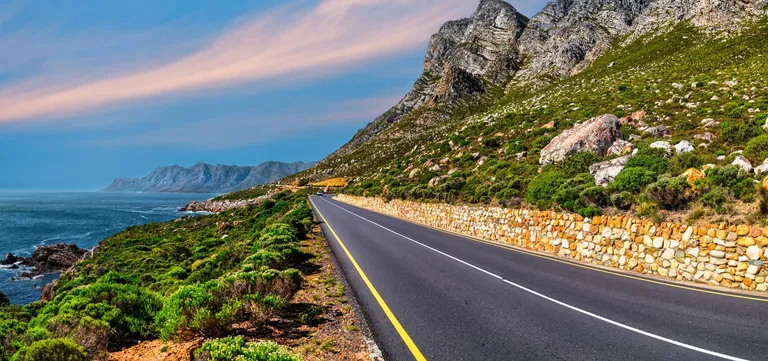
The R44 — Clarence Drive — is one of South Africa’s most beautiful roads: 48 km carved between mountains and the sea from Gordon’s Bay along False Bay’s eastern rim, ending in the whale capital of Hermanus. It’s the day trip almost no first-time visitor takes, which is exactly why our film did.
Hidden Gems Along the Drive
- Kogel Bay: a wild, dramatic beach — white sand, clear water and cliffs rising straight behind it. Stop, breathe, keep the camera out.
- Rooi-Els: a tranquil village at the foot of Klein-Hangklip and a haven for birders — this is one of the best places on earth to spot the endangered Cape Rockjumper. Walk to the lagoon for water so clear it looks lit from below.
- Pringle Bay & Betty’s Bay: unhurried seaside villages with big beaches and bigger mountain backdrops; Betty’s Bay adds the Stony Point penguin colony and, nearby, coffee overlooking the fairways at the Arabella estate.
Hermanus: The Whale Capital
Clarence Drive ends at Hermanus, where southern right whales arrive every winter to calve and mate in the sheltered bay. The season runs June to November, peaking July–October, and the town’s cliff paths are the world’s finest land-based whale watching — no boat required, though boats go too. Between sightings, Hermanus feeds you well: a proper foodie town with waterfront restaurants made for a sunset dinner before the drive home.
Tips for Clarence Drive
Don’t rush it — the pullouts are the point, and we stopped at nearly every one of them. Check the wind forecast, use the designated stopping bays, and in whale season add time in Hermanus; the whales don’t perform on schedule.
9. Robben Island: The Prison Island
Robben Island is the UNESCO-listed prison island where Nelson Mandela spent eighteen of his twenty-seven years, reached by ferry from the Nelson Mandela Gateway at the V&A Waterfront. The full visit runs about three and a half hours including the crossing, and many tours of the prison are guided by former political prisoners. Book ahead — sailings sell out, and winter swell cancels them at short notice.
Fares are R400 for South Africans and R600 for international visitors, with under-18s at R210 and R310 — see the fee table. We booked our crossing a week out and still took the last sailing of the day.
Useful Links & Resources
- Cape Town Tourism: Official Visitor Site
- Table Mountain Cableway: tablemountain.net
- SANParks: Table Mountain National Park
- Robben Island Museum: robben-island.org.za
- Kirstenbosch (SANBI): Garden information
- Chapman’s Peak Drive: Toll & road status
- V&A Waterfront: waterfront.co.za
Guide fully updated August 2026. Park fees verified against the official SANParks 2025/26 tariffs; cableway, toll, ferry and garden fees verified against official sources and current listings at the time of writing; always confirm when booking.
We hope this guide — the written companion to our film Cape Town: Local Insight on Iconic Sights & Hidden Gems — helps you see both Cape Towns: the icons that earn every photograph, and the quiet corners that earn a return trip. Whether you’re here for the mountain, the penguins, the vineyards or the whales, the Mother City delivers all of it.
Now it’s your turn: climb it, drive it, taste it — and find your own favourite corner of the Mother City. Happy travels!
Our Photography Portfolio
The photographs in this guide were captured while filming our Cape Town documentary. To license these images — or explore thousands more from nearly three decades behind the camera — find our portfolios on the major stock platforms:
- Shutterstock: Shutterstock Portfolio
- Adobe Stock: Adobe Stock Portfolio
- Getty Images / iStock: Getty Images Portfolio
Frequently Asked Questions
What are the top must-do experiences in Cape Town?
- Table Mountain (by cableway or a safely planned hike), the V&A Waterfront, the full-day Cape Peninsula drive with Boulders Beach's penguins and Cape Point, the colourful Bo-Kaap, and a wine afternoon in Constantia or the Cape Winelands. Add the Atlantic Seaboard beaches for sunsets, and the R44 Clarence Drive to Hermanus if you have an extra day.
How many days do you need in Cape Town?
- The icons fit into 2–3 focused days, but we recommend 4–6: one for Table Mountain and the city, one full day for the Cape Peninsula loop, one for Constantia or the Winelands, and slack for beaches, Kirstenbosch and the weather — the mountain decides its own visiting hours. With a week, add the Clarence Drive day to Hermanus.
When is the best time to visit Cape Town?
- Cape Town works year-round. Summer (December–March) is beach season — warm, dry and busy, with the south-easterly 'Cape Doctor' wind strongest in mid-summer. Winter (June–August) is green, quiet and cheaper, with rain in spells and the start of whale season. Autumn and spring are the shoulder sweet spots, and September–November adds wildflowers, peak whales and Kirstenbosch in bloom.
Is Cape Town safe for tourists?
- Yes, with standard South African city precautions: stay aware of your surroundings, keep valuables out of sight and stow them before you park, use rideshare or drive after dark rather than walking quiet streets, and stick to busy areas at night. On the mountain, never hike alone and check the weather first; on the Peninsula, never feed the baboons and keep car windows up where they roam.
What does the Table Mountain cable car cost?
- R475 return for adults and R230 for children when booked online (2026 rates) — buying online is cheaper than the ticket office and lets you skip the queue. The cableway is weather-dependent, especially in wind, so check the official site on the morning you plan to ride; tickets are flexible if operations are suspended.
How should I get up Table Mountain, and do I need to book?
- Either the aerial cableway — about five minutes to the top in rotating cars, book online to avoid the queues — or a hiking trail: Platteklip Gorge is the direct, strenuous classic (2–3 hours), Skeleton Gorge climbs through forest from Kirstenbosch, and India Venster is for experienced scramblers only. Whichever way, check the summit weather first and treat the mountain seriously: groups, water, layers, and a charged phone.
What are Cape Town's best hidden gems?
- The ones from our film: Smitswinkel Bay, a secluded beach reached by a short hike near Simon's Town; Beta Beach in Bakoven, a tiny sheltered cove below Camps Bay; Constantia Glen and Buitenverwachting, the quiet stars of the Constantia wine valley; and along Clarence Drive, Kogel Bay's wild beach and the birdlife haven of Rooi-Els.
What are the highlights and essential tips for the Cape Peninsula drive?
- A full-day loop, best driven clockwise: Muizenberg's surf and beach huts, Kalk Bay's harbour, historic Simon's Town, the penguins at Boulders Beach, Cape Point and the Cape of Good Hope, then back along Chapman's Peak Drive (toll road — check it's open) via Noordhoek and Hout Bay. Take park fees and toll money, lock the car at viewpoints, and never feed the baboons.
Do I need to book ahead for wine tasting in Constantia or the Winelands?
- Yes — book tastings, cellar tours, picnics and especially estate restaurants in advance, particularly on weekends and in peak season. Plan your transport too: a designated driver, a guided tour, or the hop-on-hop-off wine route. Estates are spread out, so two or three in a day with a long lunch is the right pace.